Phase 1 / May 2026

PXLsuite, a VFX toolkit family: bidding, production tracking and DCC tools

A coordinated VFX toolkit family.

Forged on Thresholds, built so other VFX teams can use them. 20+ years of supervision, the pipeline I always wanted on a real show, finally shipping. AI closed the gap between knowing exactly how this should work and writing the code, without me pretending to be a pipeline TD.

4
Production tools
9+
DCC tools
3,000+
Trusted by artists
Scroll
Why PXLsuite exists

I'm not a coder. I'm just a supervisor with a clear vision, powered by AI.

Over the last years I've shifted focus from shot work to workflow optimization and pipeline development; the tools, the workflows, the UX a VFX team actually needs. Claude Code and AI made it possible to build all of it. Before, the gap between “I know exactly how this should work” and “I can ship it as production software” was a five-person engineering team. Now it fits inside one supervisor's head and a weekend of work.

My strength

Workflow analysis, workflow optimisation, pipeline design. Twenty years on the floor, as a VFX & CG Supervisor and former 3D Generalist, spent watching exactly where pipelines hurt, where producers struggle, where clients lose patience. I know what a CG department needs, what a VFX department needs, what's important and what isn't.

What I'm not

I'm not trying to replace pipeline TDs or production engineers. I don't have their coding background. What I have is the supervisor's view of where the workflow actually breaks, and now, thanks to Claude Code, the ability to prototype and ship the fix without waiting for engineering bandwidth that never comes.

The result

Three tools, built by the person who uses them, refined by the producer who depends on them. PXLbid -> PXLflow -> PXLtools, end-to-end, one data contract. Not a product looking for a market, the pipeline I always wanted, now hardened enough to drop into someone else's show.

01 Script breakdown & bidding

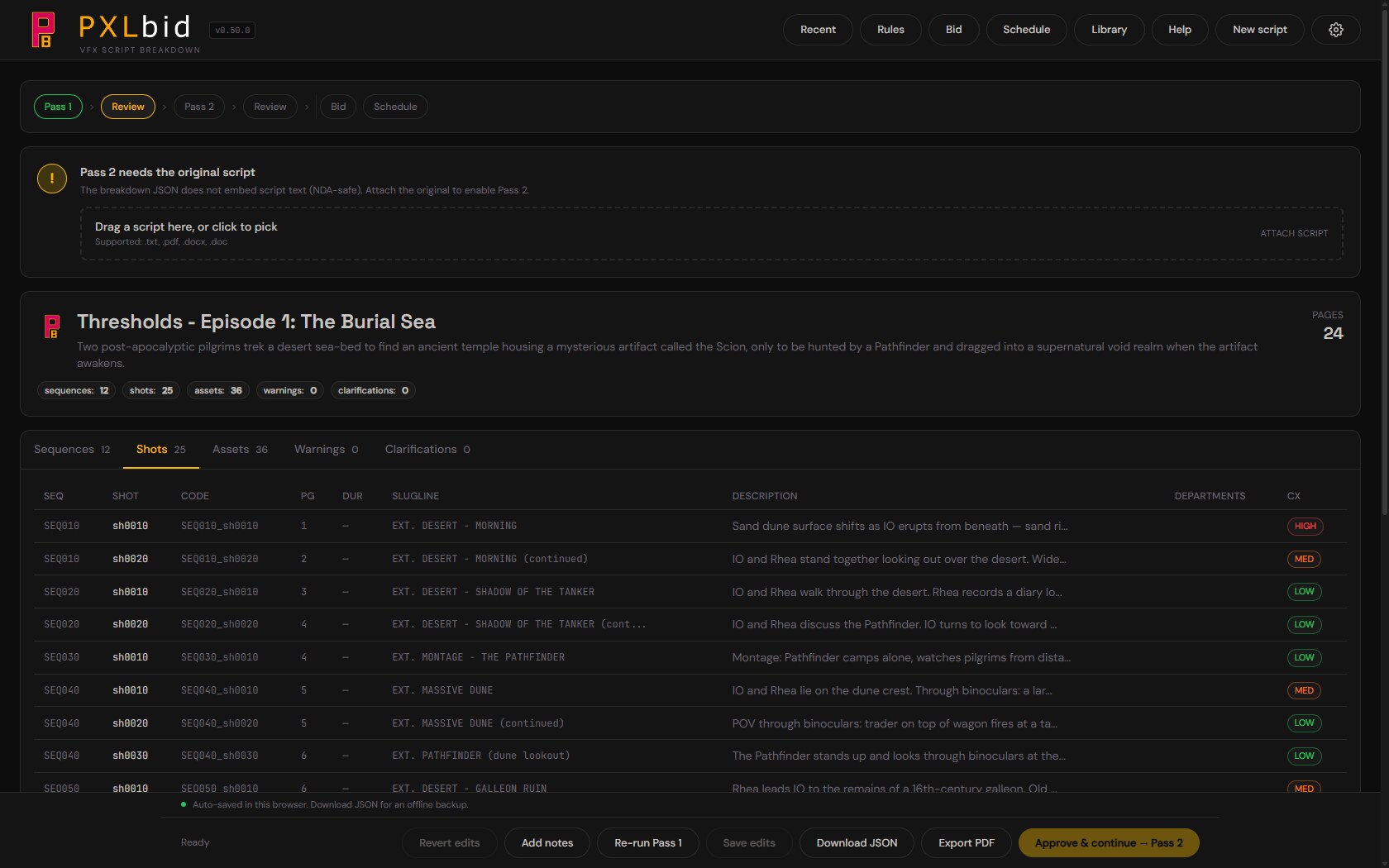
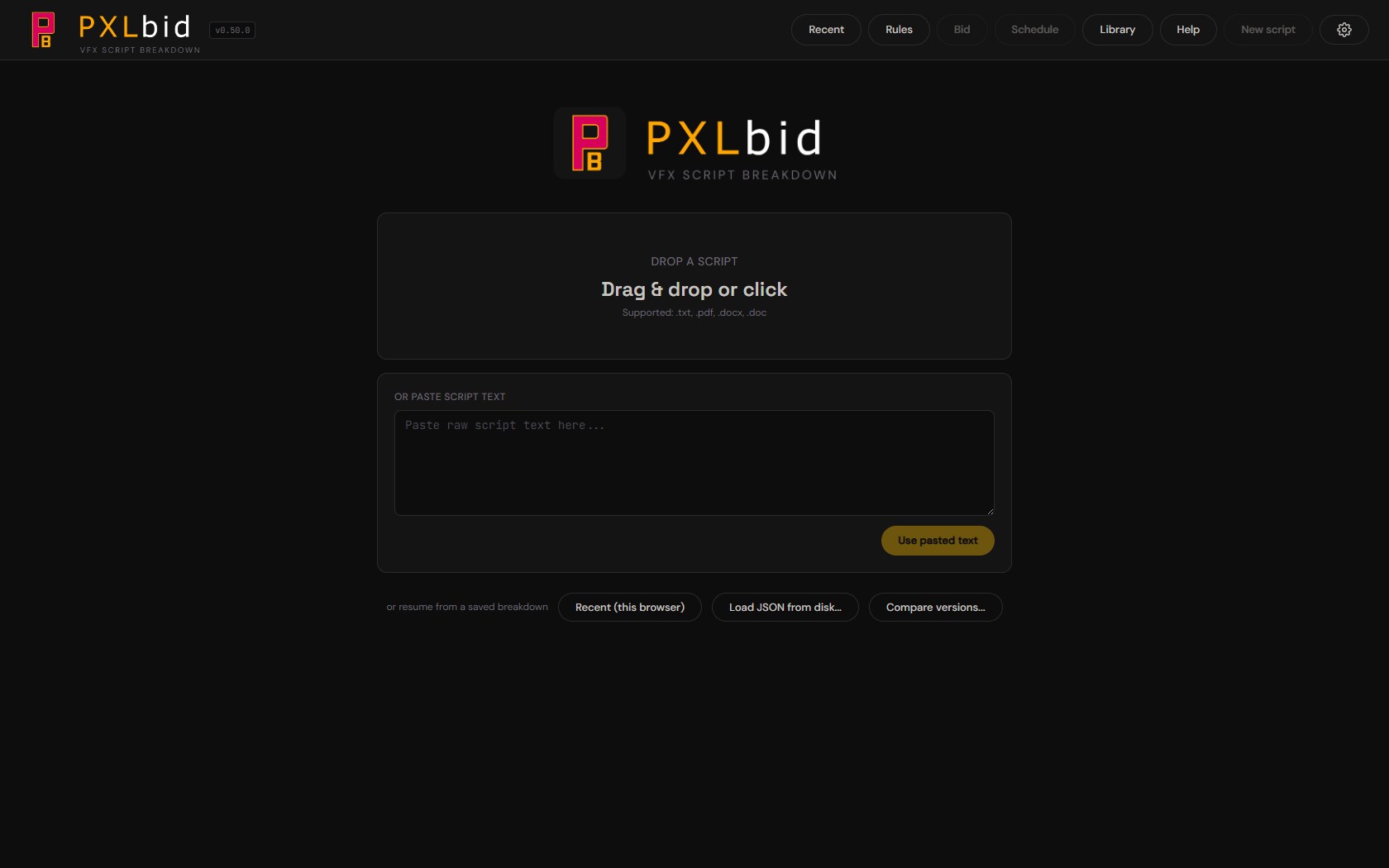
Drop a script in, PDF, DOCX or TXT. An AI pass reads it the way a VFX supervisor would and hands back a structured breakdown of sequences, shots and assets, each one graded. You review and correct every line. Then it prices the work and lays out a broad schedule, so you know what the show costs and roughly how long it runs before you call the client back.

PXLbid landing screen, drag-and-drop a script to begin

How it works

is simple as 1-2-3

Pass 1: the supervisor read

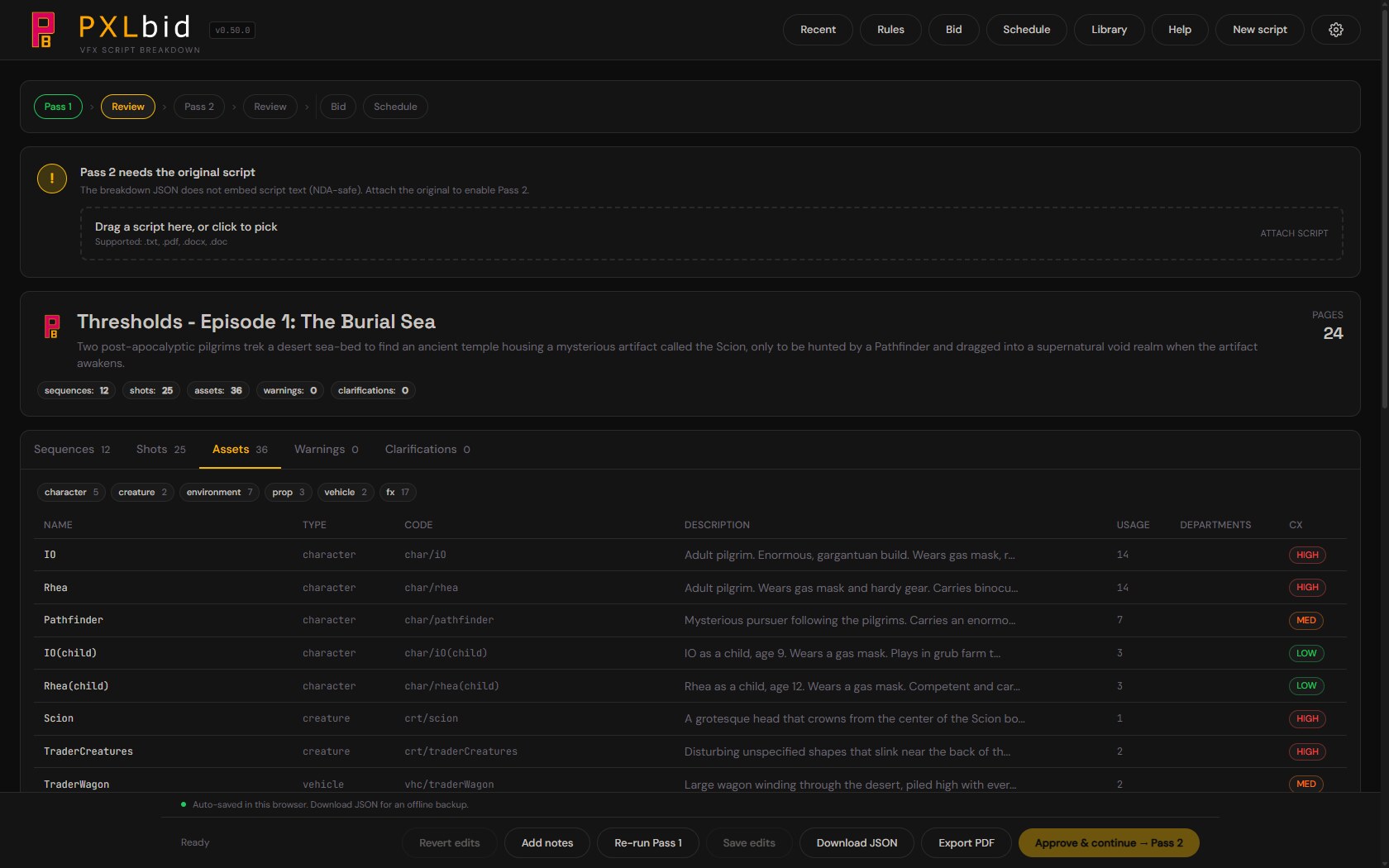
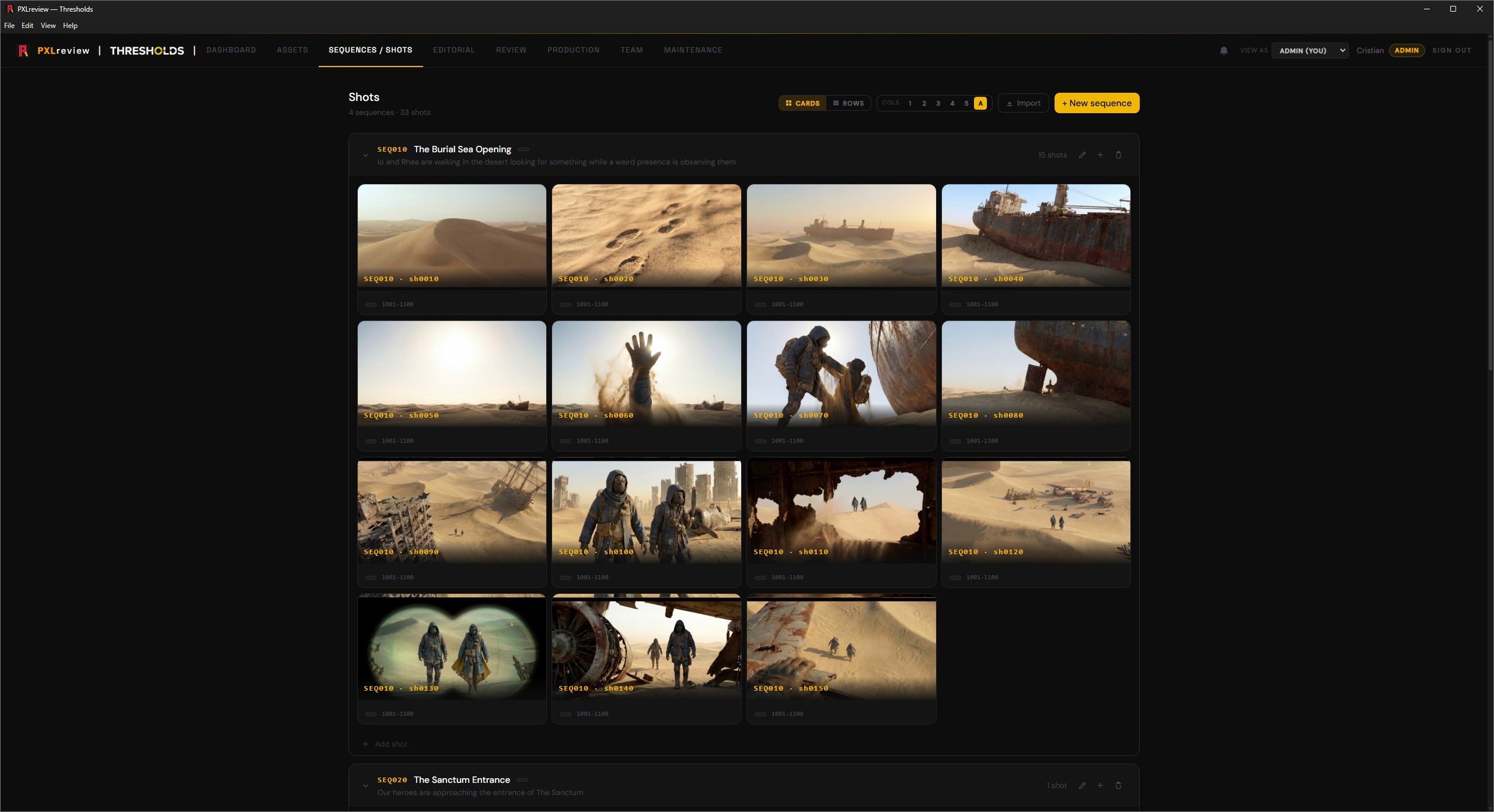
The first pass returns a draft breakdown: sequences, shots, and every asset the script needs, each carrying a complexity grade. Enough to know whether you are looking at a 50-shot commercial or a 400-shot feature.

Nothing is taken on trust. Every row opens in a detail drawer, so you rename it, re-grade it, move it to another sequence, or drop it. Your corrections are kept as rules the agent applies on the next run.

Pass 2: granular, and optional

Run a second pass when the first breakdown is too coarse. It subdivides wide shots into workable ones and tags the departments each asset passes through, model, texture, lookdev, rig, CFX and the rest. Pick the scope, the whole script, one sequence, one shot, one asset, or every asset of a type, and the intensity: light, medium or deep.

Skip it when one shot per scene is already enough to bid against. You can always reload the breakdown and run it later.

The bid

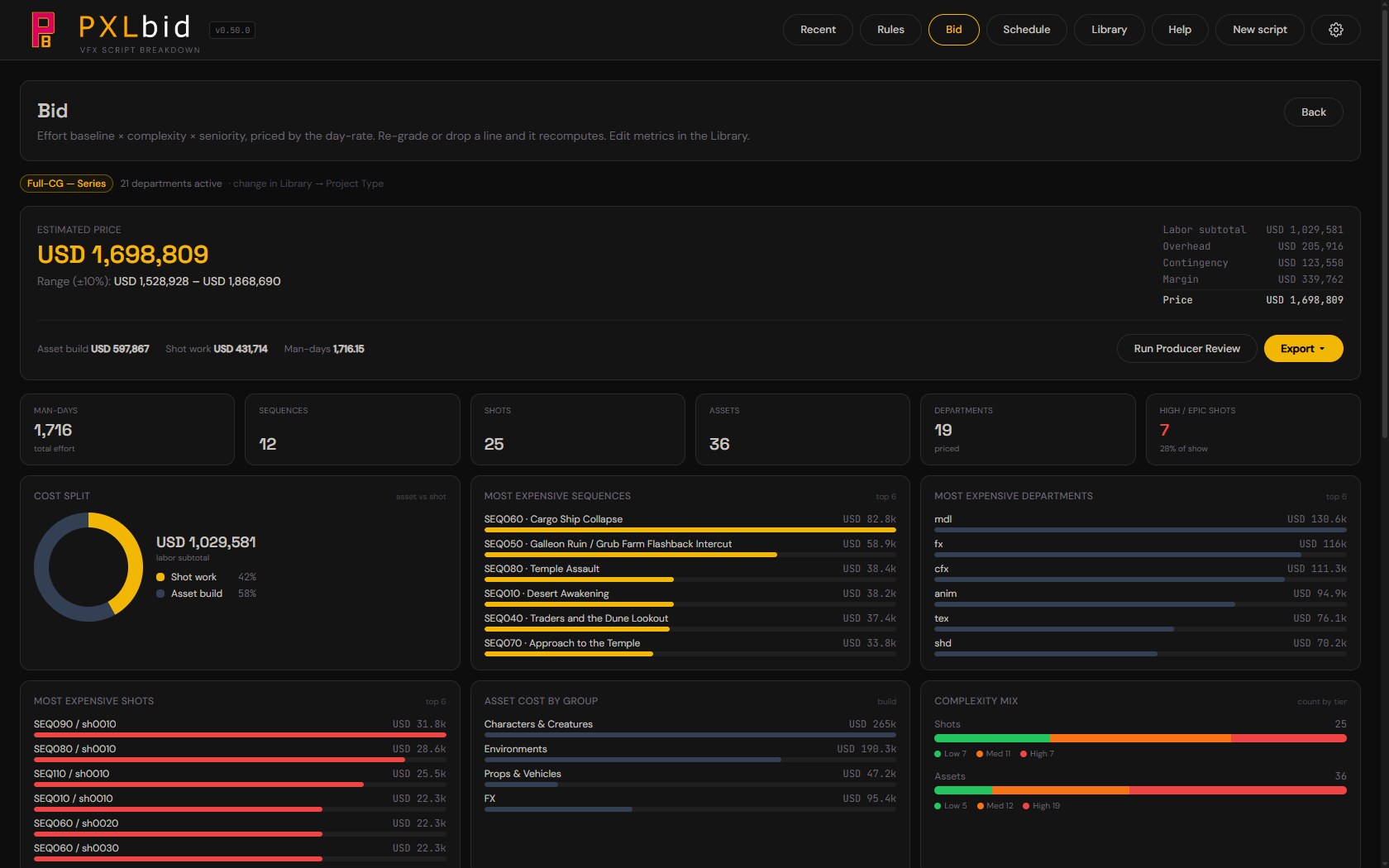
A line-item bid you edit as you read it. Every shot and asset is priced by discipline through an effort baseline, a complexity tier, and a seniority multiplier, all of them yours to tune in Rates & effort. Re-grade a line or drop it and the whole quote recomputes live, through overhead, contingency and margin, down to cost, man-days and a best-to-worst range.

A warnings tab collects everything the agent was unsure about, and every number that may not mean what it looks like. Read that before you export: a summary quote or a detailed bid for the client, an internal cost report you keep, the whole waterfall as an Excel workbook, or the canonical breakdown JSON that PXLflow reads.

A broad schedule, and where it stops

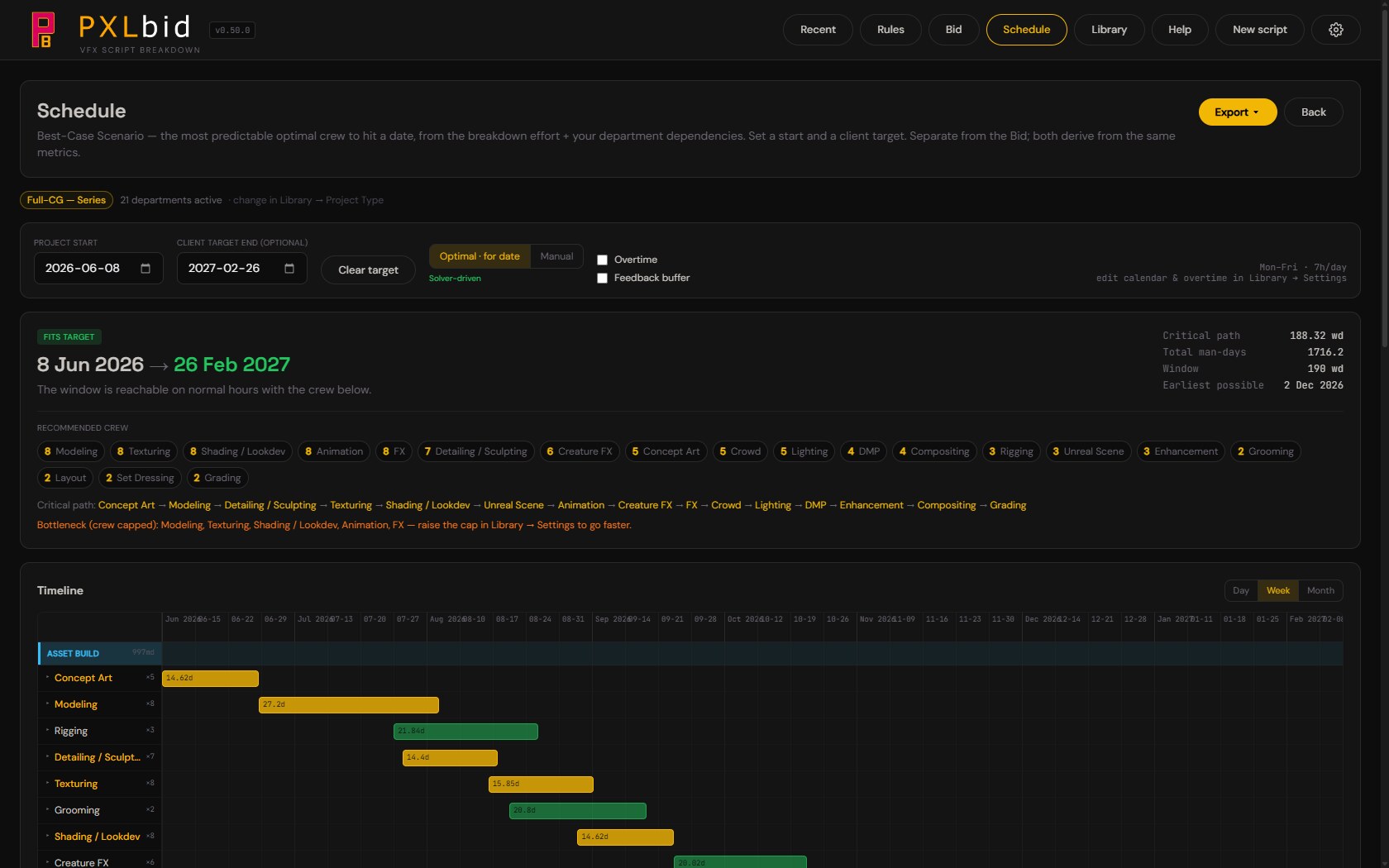
From the same breakdown, a Gantt lays out calendar days by discipline. Dependencies drive the order, and the team size you set per department compresses the lanes, so two artists on one lane halve it. Re-grade a shot in the breakdown and the schedule moves with it.

That is deliberately where PXLbid stops. Putting the work on named artists, with their own rates, calendars and capabilities, is PXLflow's job. This is the pre-production estimate, not the plan.

Your numbers, not ours

Rates & effort is where the bid becomes yours

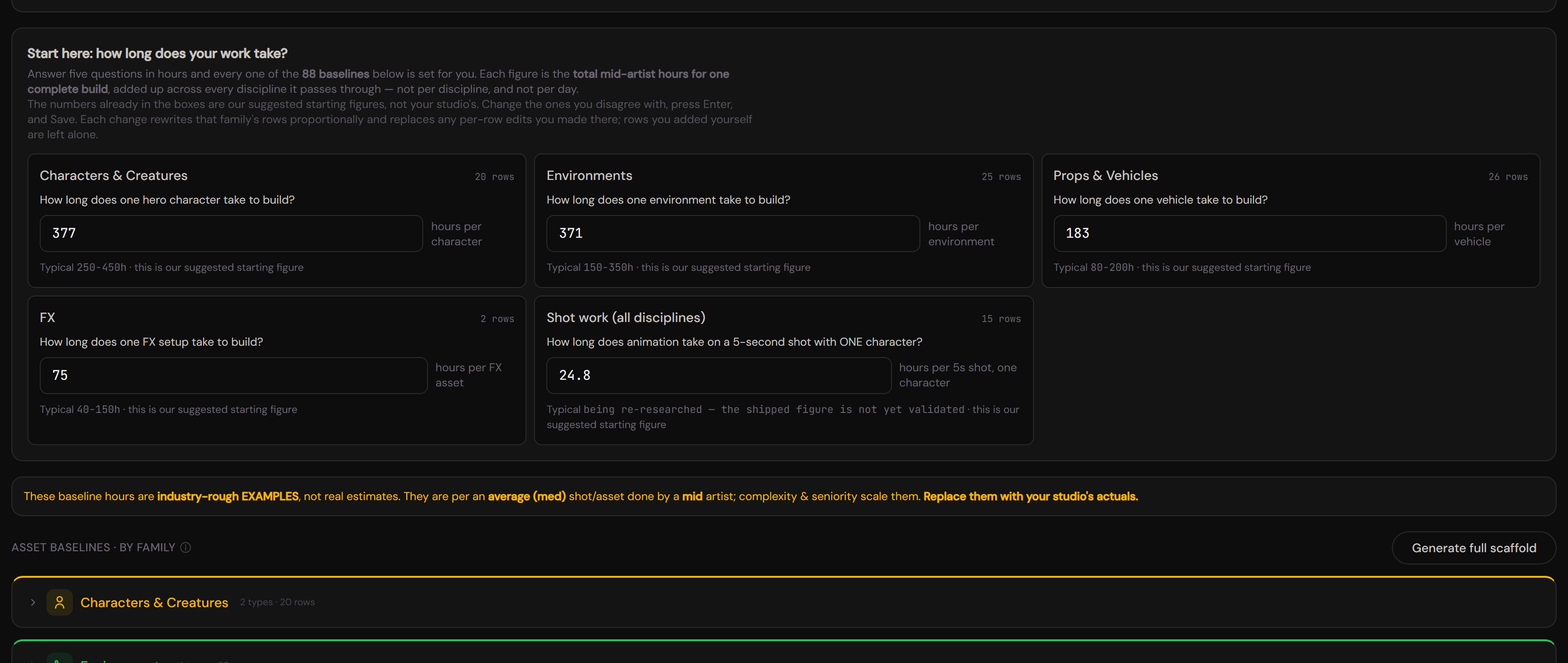
PXLbid Rates & effort, the studio effort baselines, rates and markups you tune

Calibrate once, in hours you recognise

The shipped baselines are placeholders, structurally right and financially fictional, and the app says so on the bid until you change them. Quick Tune asks five plain questions in hours, how long one hero character takes, one environment, one vehicle, one FX setup, animation on a five-second single-character shot, and sets all sixty-eight baselines in proportion. Underneath sits the per-row editor when you want to move one discipline on its own.

One blended day rate, five complexity tiers, three seniority levels, and your own overhead, contingency and margin. Every field explains itself on hover, with a worked example using the values you actually typed.

Your own key, and nobody metering you

PXLbid runs on your own Anthropic API key, not mine. You pay Anthropic directly, at cost, and I hold no credits, no quota and no cap over you. Your script is opened and read in your browser, and it is never saved anywhere, which is why a second pass asks for the file again.

PXLbid + PXLflow

One breakdown, the whole production

Where PXLbid stops, PXLflow picks up. Export the breakdown and PXLflow fills the production from it in a single import: every sequence, shot and asset, plus a task for each department Pass 2 tagged. Export the schedule and the start and due dates land on the matching shots. Nobody re-types anything.

PXLbid is built for PXLflow, and ftrack and ShotGrid export is on the roadmap.

The beta is open

PXLbid is taking on beta testers now. Access is granted per person, so if you want in, send an email and tell me a little about yourself: who you are, what you do, and the company you work for. That context is what makes the feedback useful, and it is what the numbers get tested against.

02 Asset review & tracking

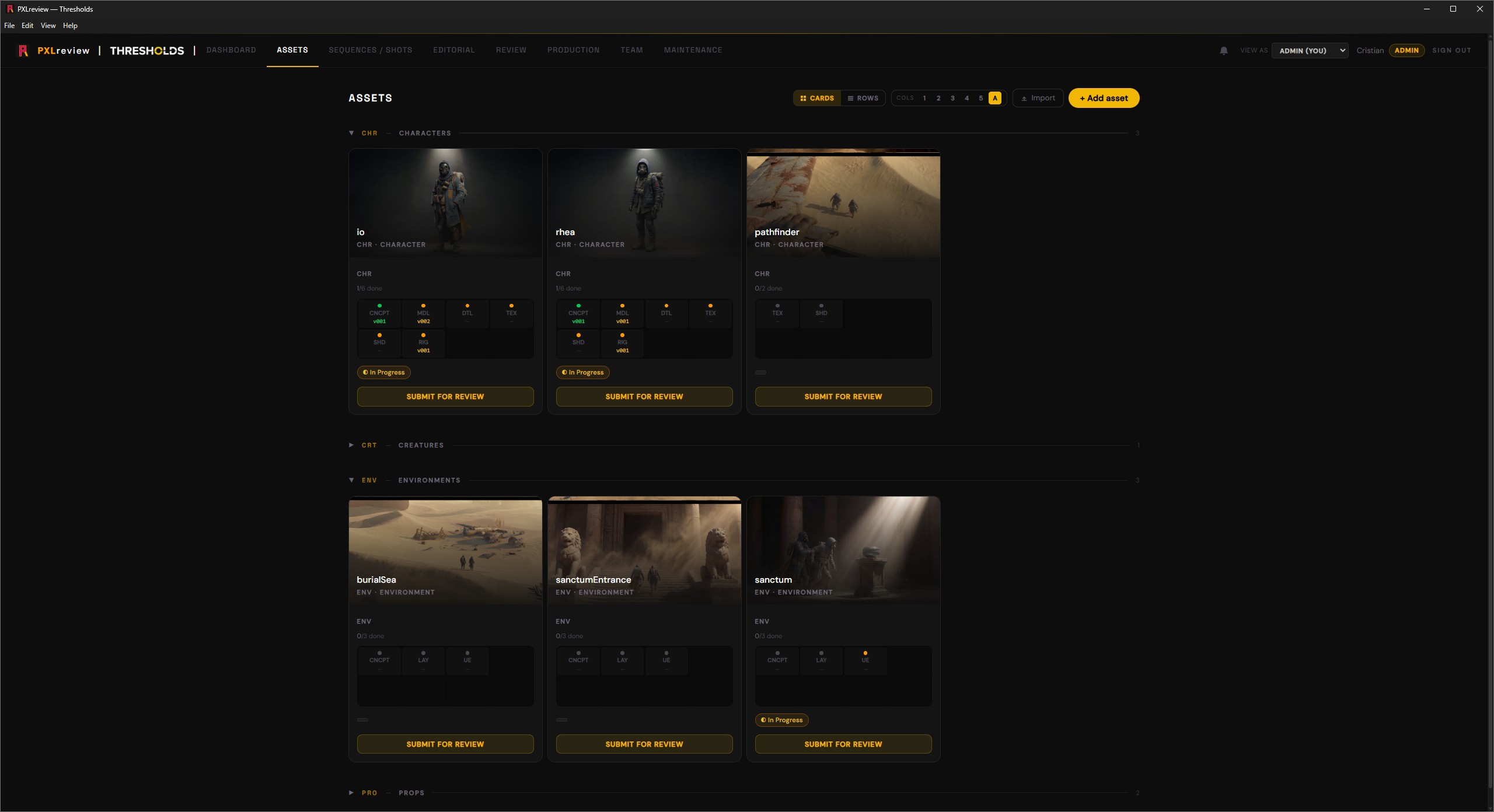
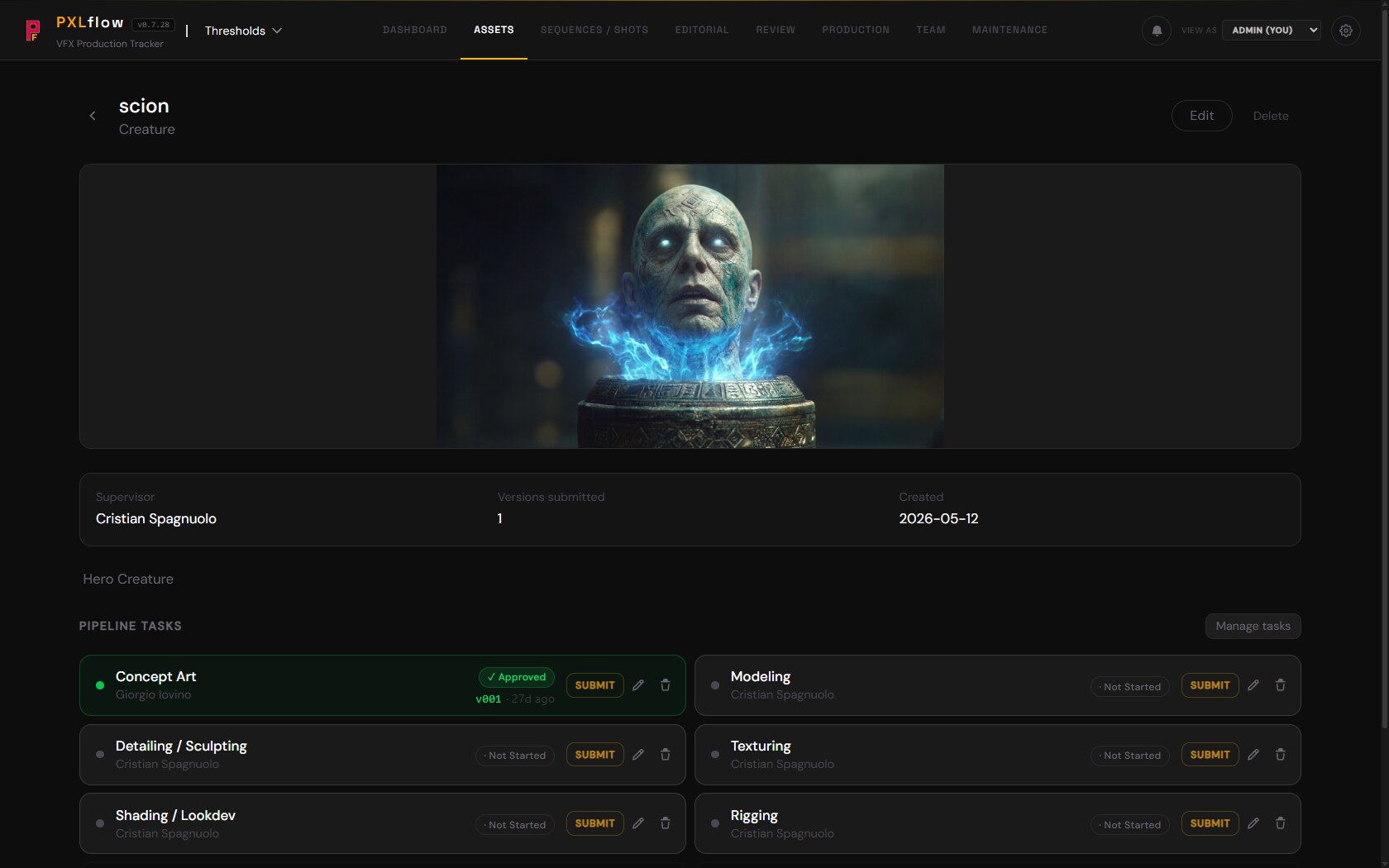
Took inspiration from ShotGrid and ftrack for the review side. From Notion and Monday for the planning side. Threw out everything that felt like it was built by someone who'd never sat in a dailies room. What's left is the tracker I always wanted.

PXLflow assets view, grouped by type with status at a glance

Built on the floor, refined by the producer

I use it daily as the supervisor. My producer uses it daily as the producer. Every feature in there got fought for in a real review, hardened by a real schedule, killed if it didn't earn its place. No one's writing tickets from a roadmap they imagined.

Dependency-aware, fed by the bid

Tasks know what they depend on. Move a deadline, the schedule reflows. Approve a concept, the downstream modeling task wakes up. And the plan does not start from a blank page: PXLbid's bid and schedule ingest natively, so the production opens already laid out, ready to assign.

Review built in

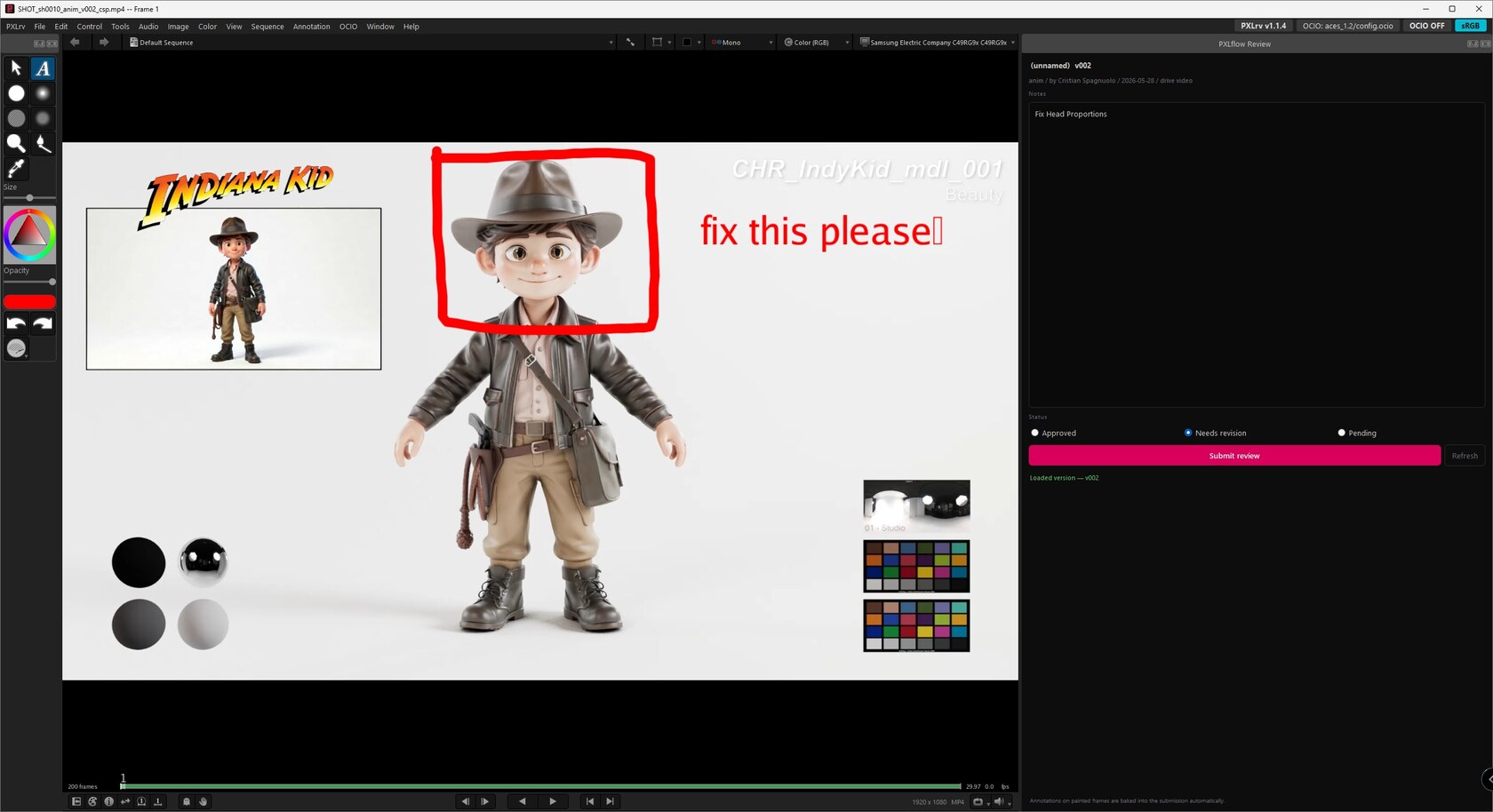
Per-asset notes, versioned submissions, annotated frames, daily review sessions. Open any version straight into PXLrv, the built-in review player, and the notes round-trip back to the same sheet. The dailies room conversation becomes a permanent record without anyone having to write the minutes.

Zero-server architecture

Electron desktop app. Google Sheets and Drive backend. Client-side OAuth. No server to maintain, no SaaS lock-in, no monthly bill that scales with seats. Mac and Windows installers, auto-update via Cloudflare R2.

Built in, not bolted on

PXLflow ships with PXLrv, its own review player

A real review player, no extra license

PXLrv is a PXLsuite-branded build of OpenRV (Apache 2.0): full-quality playback, color management, frame-accurate scrubbing. It does the job studios pay a commercial RV review-player license for, with nothing to pay per seat.

Wired straight into PXLflow

Open any version from PXLflow and it loads in PXLrv, with the PXLflow notes panel living inside the player. Read the shot's notes, add new ones, and they write straight back to the same sheet. One backend, one data contract, no exporting and re-importing.

03 Production toolkit

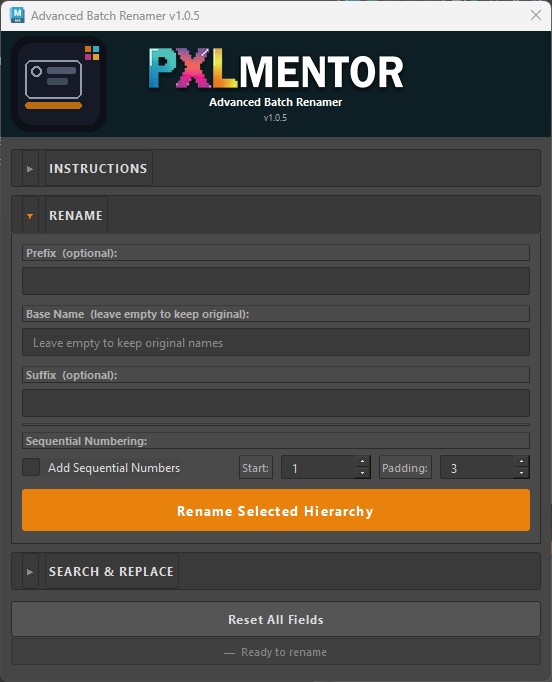
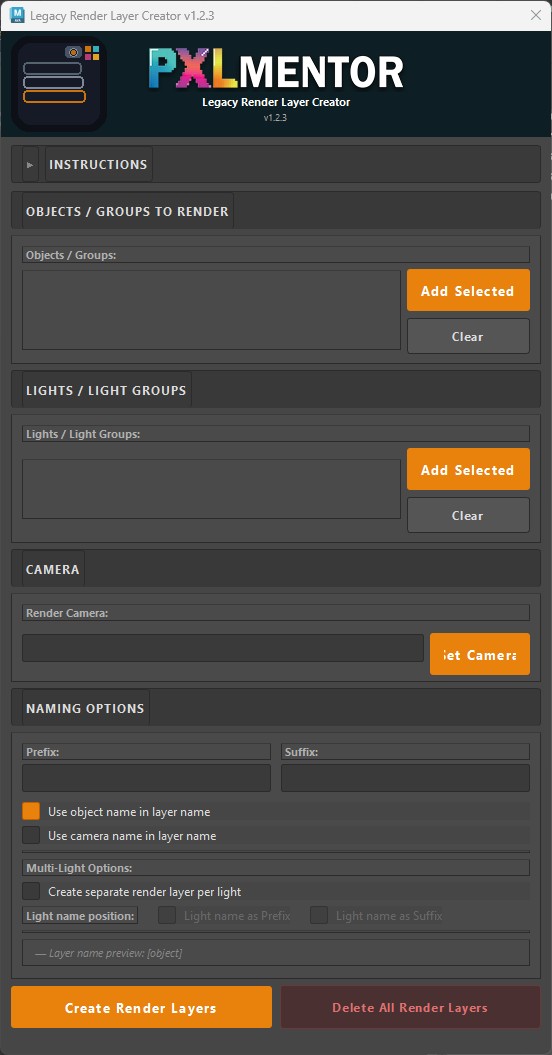
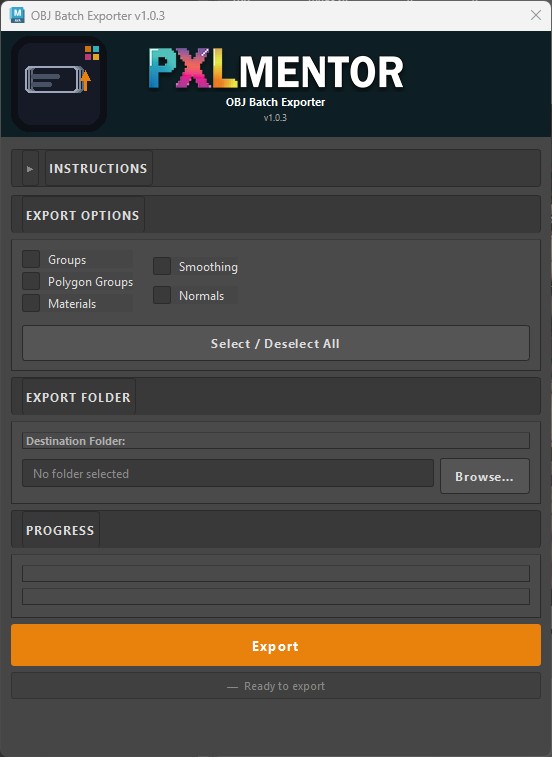
Every tools' development comes from a real production need on the floor. Each one fixes something the DCC should have done out of the box.

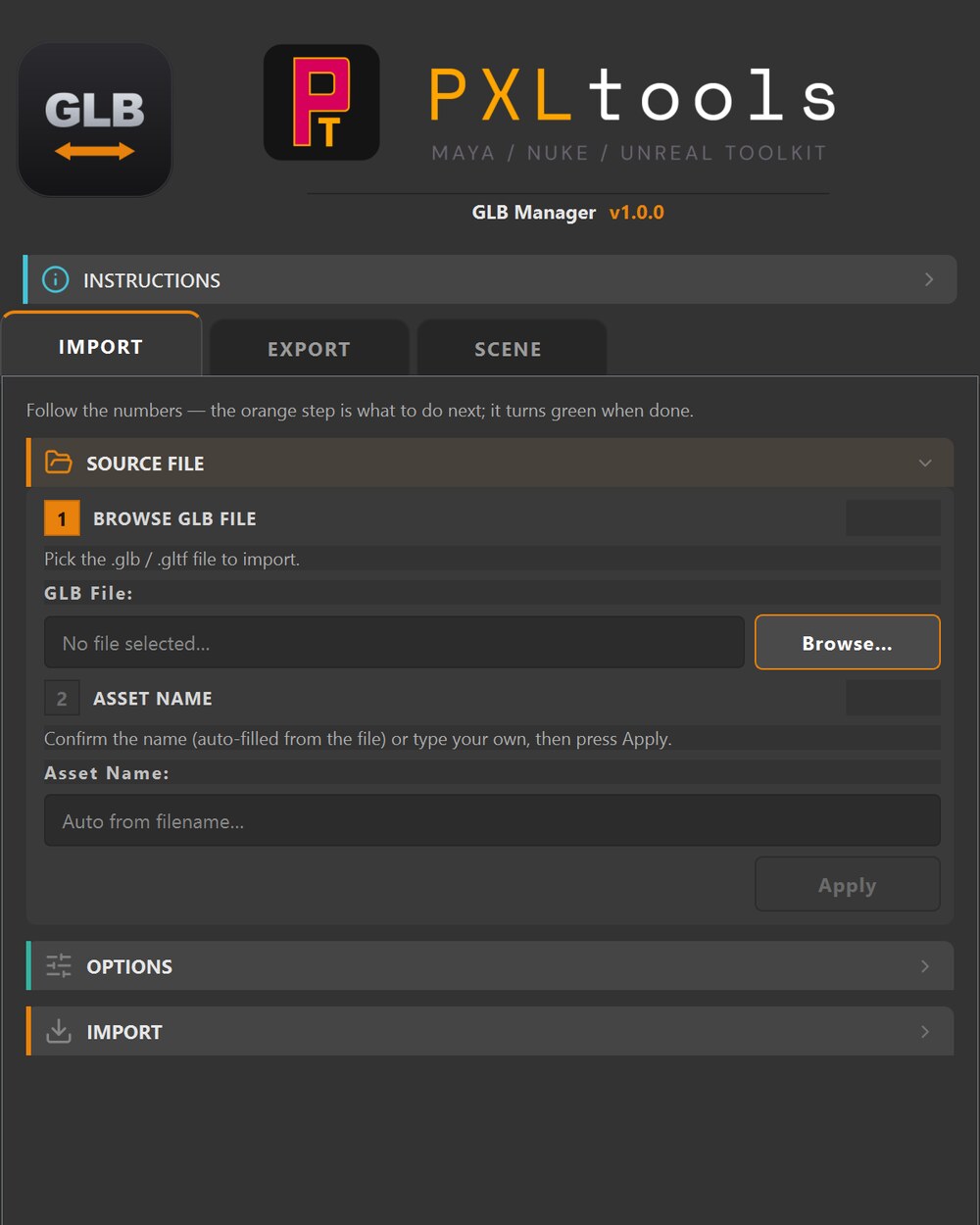
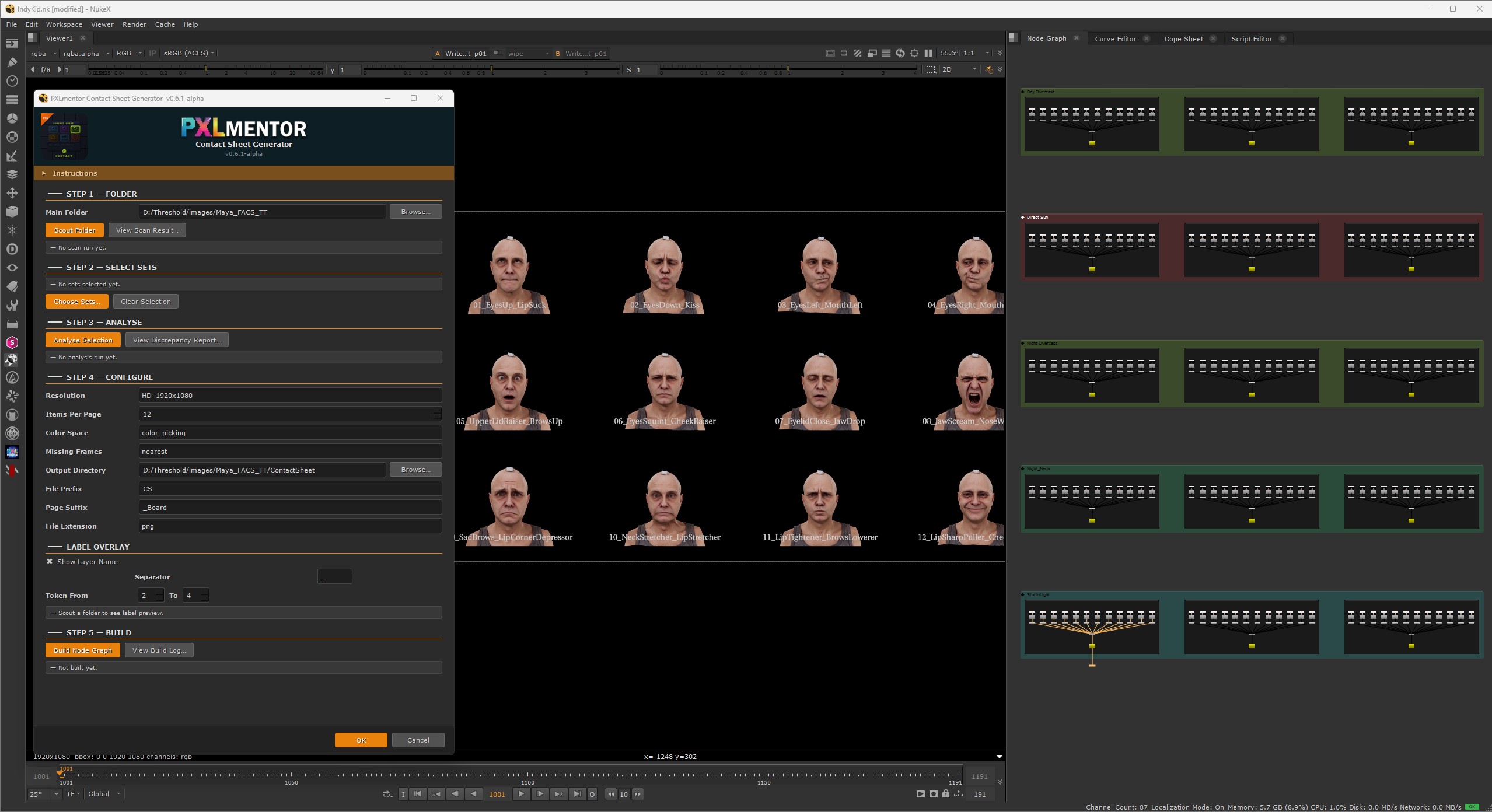
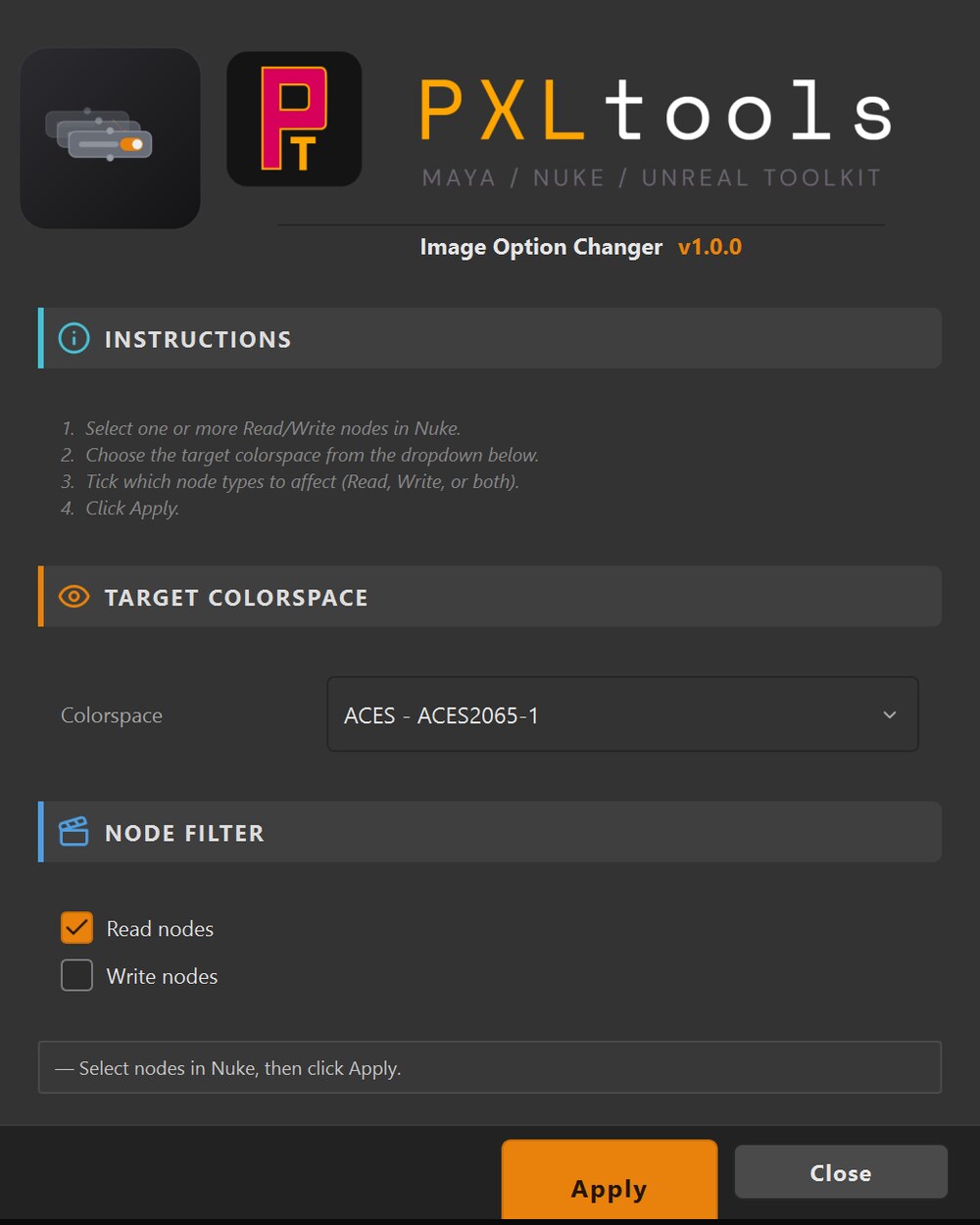
Tested on Maya 2025 (PySide6), Arnold/MtoA 5.4.2.1, Nuke 15 (PySide2) and Unreal Engine 5.6, with versioned releases, a proper installer, and a shared dark UI. Each tile opens to the longer story.

The whole suite, or just one

Take everything in one click, or only the tool you came for — the download is identical either way. One file, INSTALL.py, dragged into Maya: it installs the toolkit and builds your shelf. Your licence decides which tools open, and you can switch the rest on from inside the tool the day you need them.

They keep themselves current

Every tool checks for a new version when it launches and updates in one click — code and turntable assets together. No re-downloading, no zip to hunt for, no wondering whether you are on the current build.

All eight are free

Every tool is free and stays on your licence for good. Nothing expires, and nothing asks you for a card later. Claim them once and the updates keep arriving on their own.

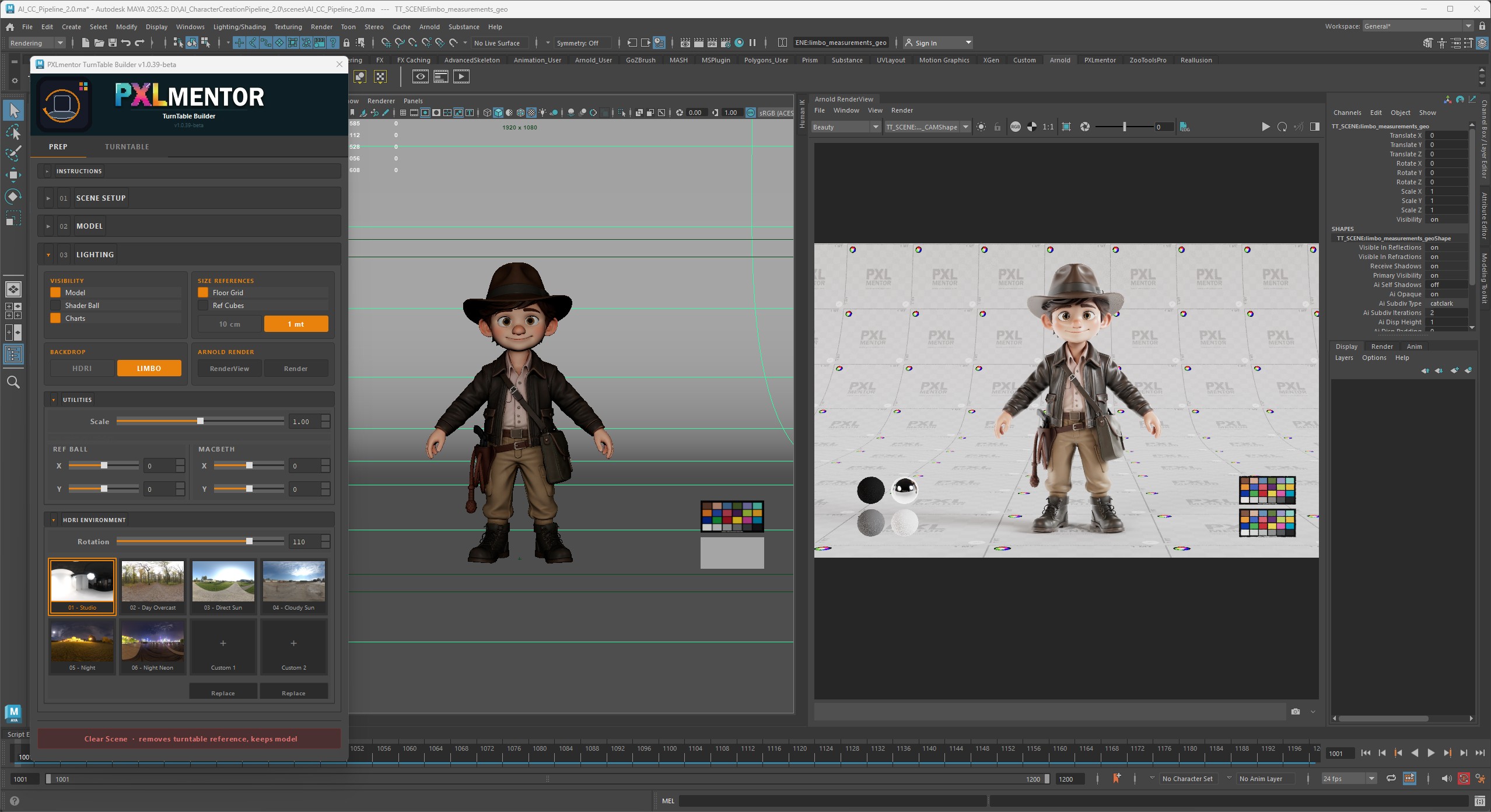
TB3DTT turntable scene rendered in Maya Maya
Maya, turntable scene + AOVs
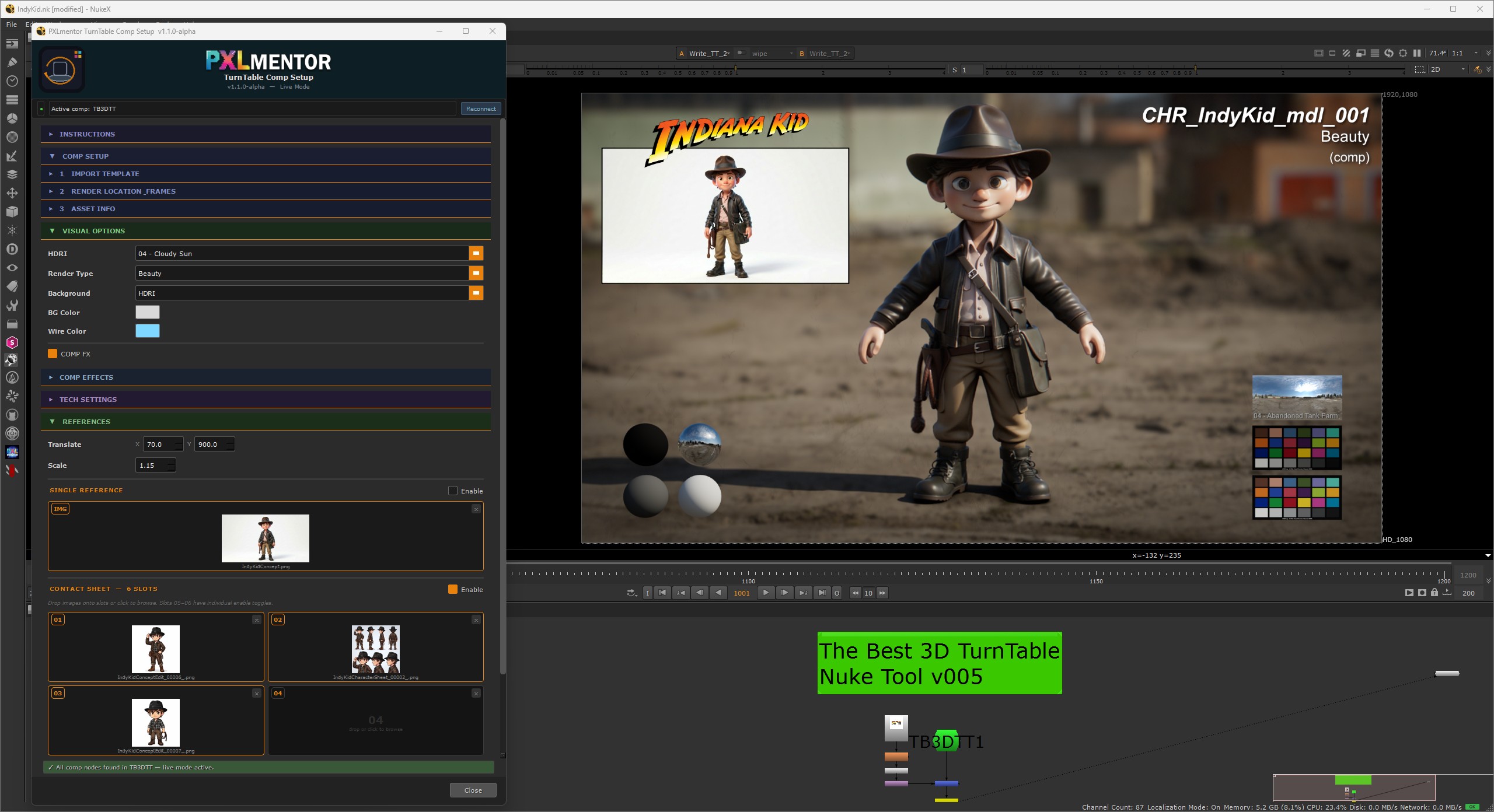
TB3DTT turntable composited in Nuke Nuke
Nuke, composite, contact sheet, deliverables

Multi-DCC · 1,500+ downloads · Featured on CG Channel and 80 Level

TB3DTT, The Best 3D Turntable Tool 2

The natural evolution of the turntable scene I released on Gumroad two years ago, downloaded over 1,500 times by artists worldwide and still going.

Now wrapped in a full easy-to-use UI on both Maya and Nuke, end-to-end.

Production-grade quality at a glance.

In Maya: import an asset, load the tool and run an easy-to-follow setup.

You end up with a production-grade turntable in the viewport, with Macbeth chart, reference balls, six perfectly balanced HDRIs (plus 2 free slots for your own HDRI). Render layers come pre-configured with embedded AOVs and shader.

In Nuke: the Maya export drops in cleanly.

The Nuke side handles asset name, side reference, background colour, and output whatever passes you want: colour, beauty, wireframe, all driven by a compact UI and because one render layer (from Maya) contains all the AOVs needed.

Build a client-ready turntable for any assets in a few minutes, not hours/days.

One tool, across two DCCs.

One seamless workflow, hardened on real client work, and the foundation of every other PXLtool that grew around it.

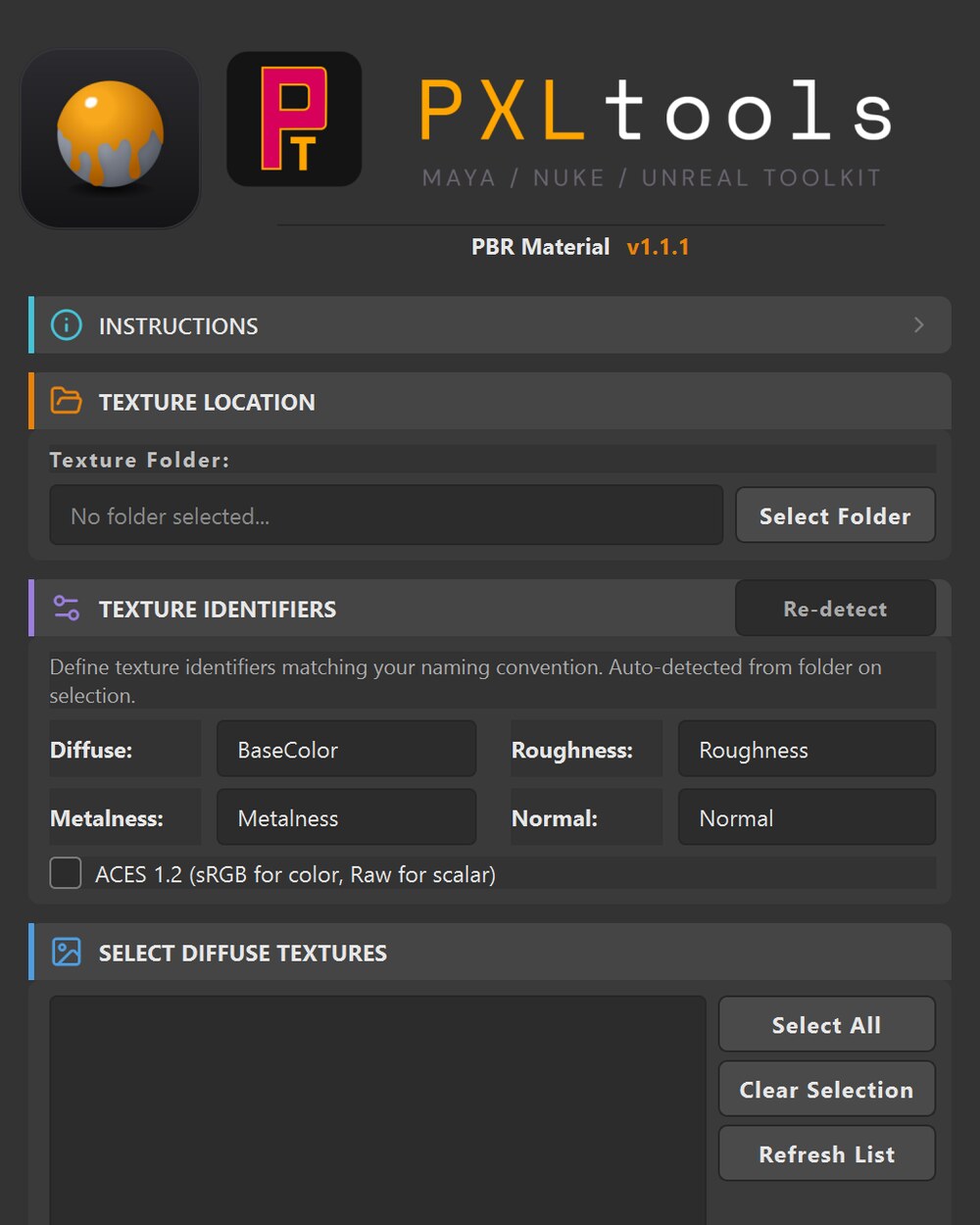
PBR Material Manager interface in Maya Maya

PBR Material Manager

Scan a vendor texture library, build hundreds of PBR materials in your naming convention, in one click.

Get it free
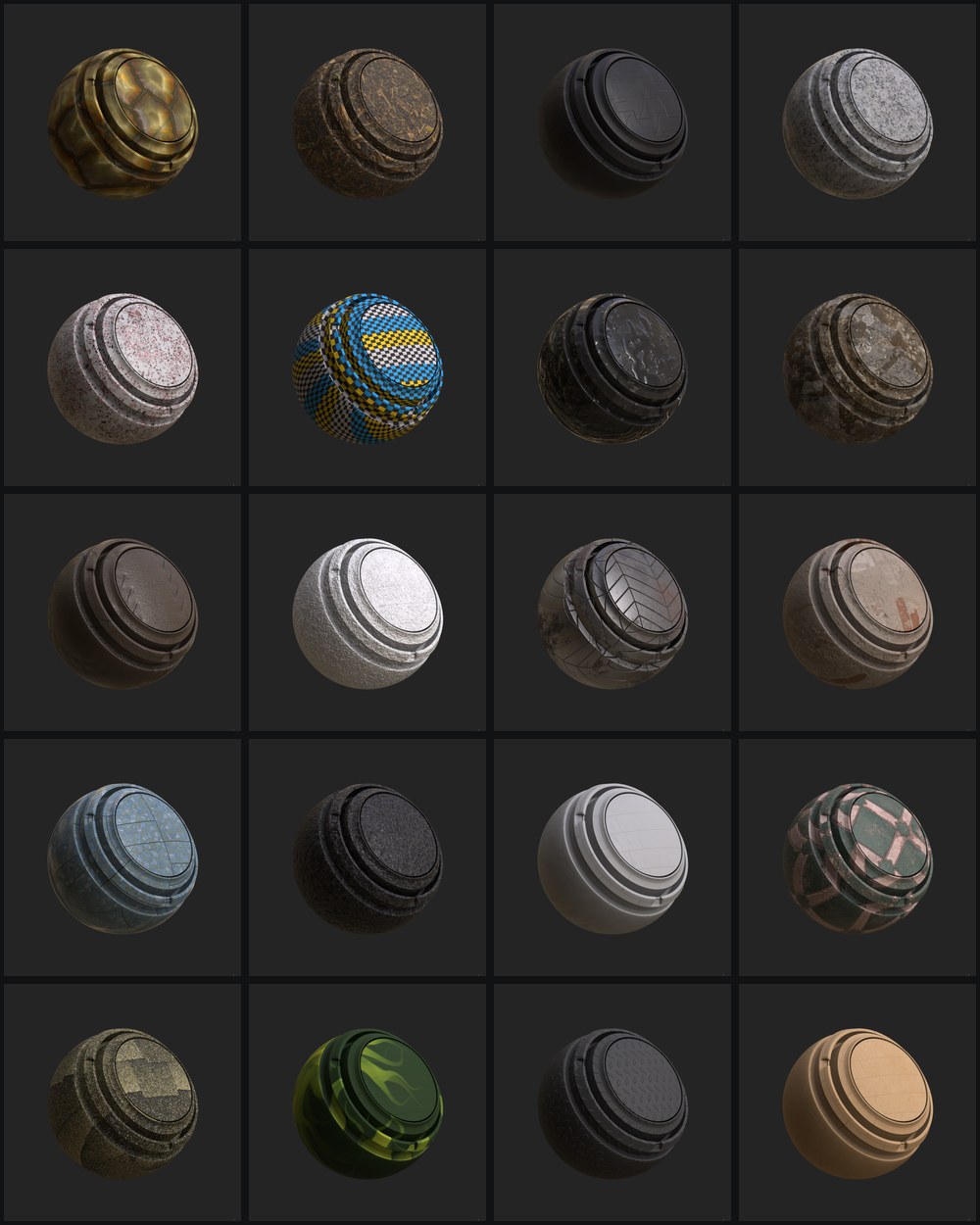
A grid of material previews rendered by the Substance Painter Material Thumbs Generator Substance 3D Painter Stable

Substance Painter Material Thumbs Generator

Give every material in your library a real preview, rendered on your own model, in your own lighting.

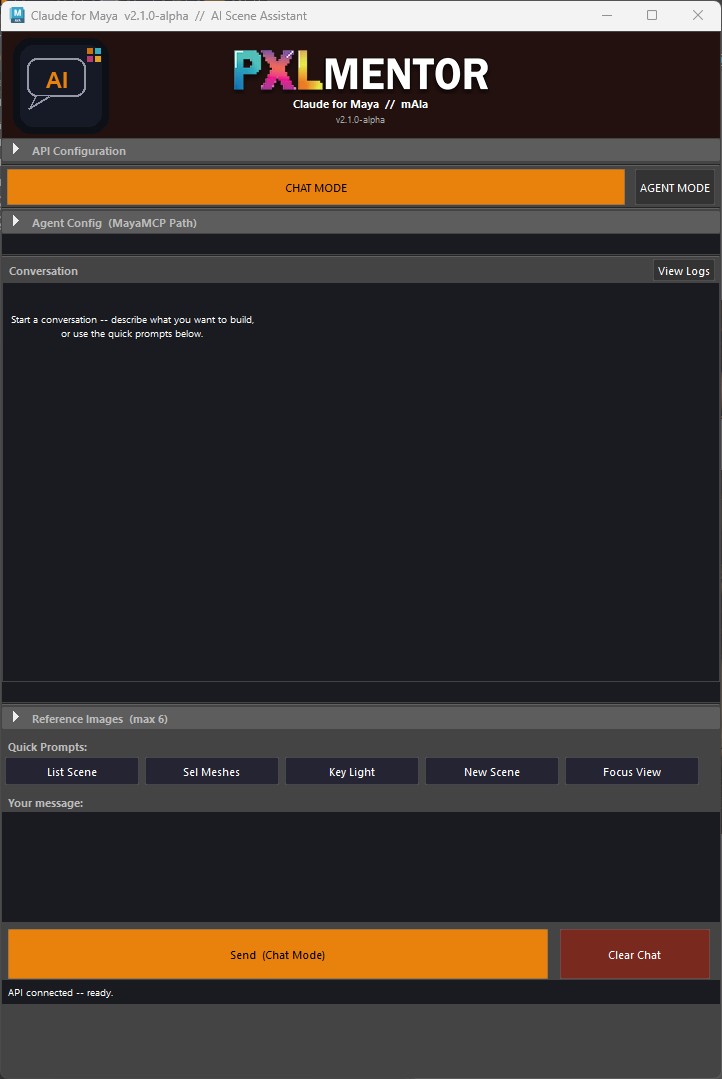
mAIa Claude for Maya interface Maya Prototype

mAIa

The first prototype of Claude integrated directly inside Maya. Drive repetitive tasks by prompt.

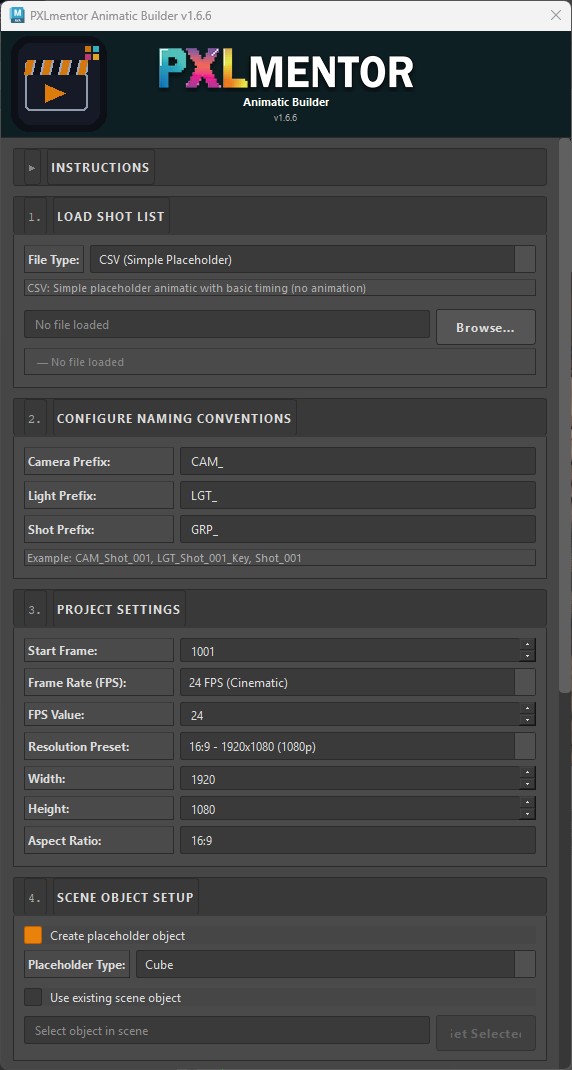
Animatic Builder interface Maya Prototype

Animatic Builder

Turn a script into a Maya Sequencer build, sequences, shots, frame ranges, ready to previs.

Read guide
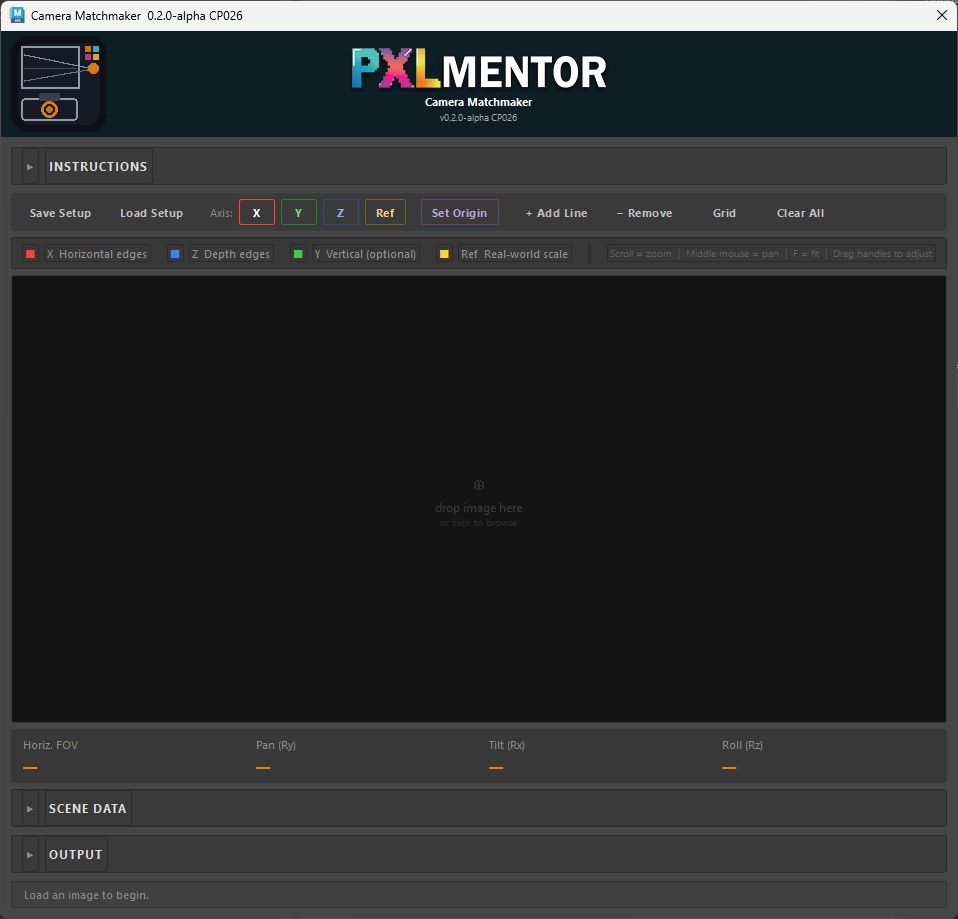
Camera Matchmaker interface Maya Prototype

Camera Matchmaker

Camera matching for Maya, because Maya never shipped one.

Read guide
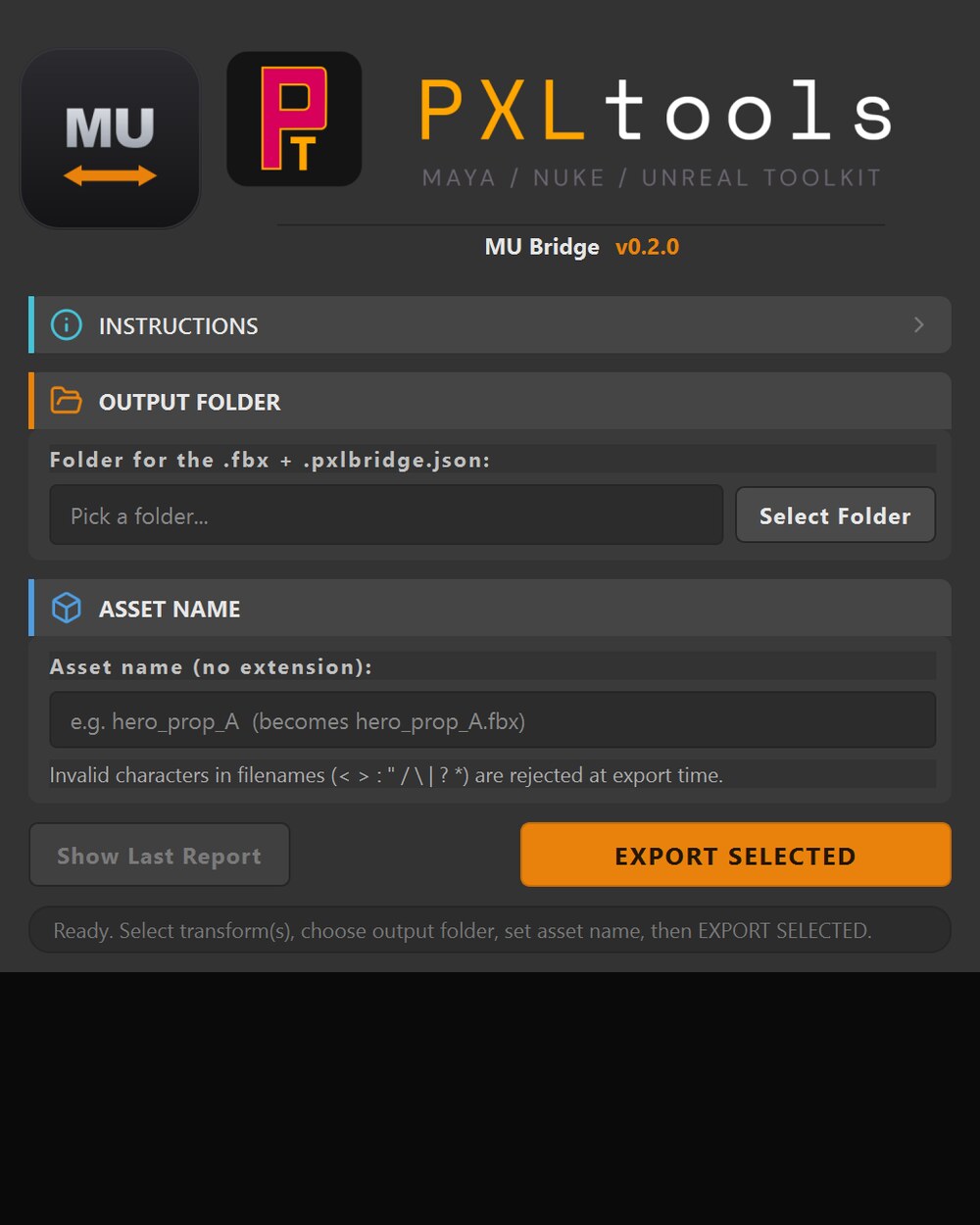
MU Bridge interface in Maya Maya Unreal Engine Prototype

MU Bridge

Send Maya transforms to Unreal/MU — writes an FBX plus a .pxlbridge.json sidecar for the engine side.

Read guide
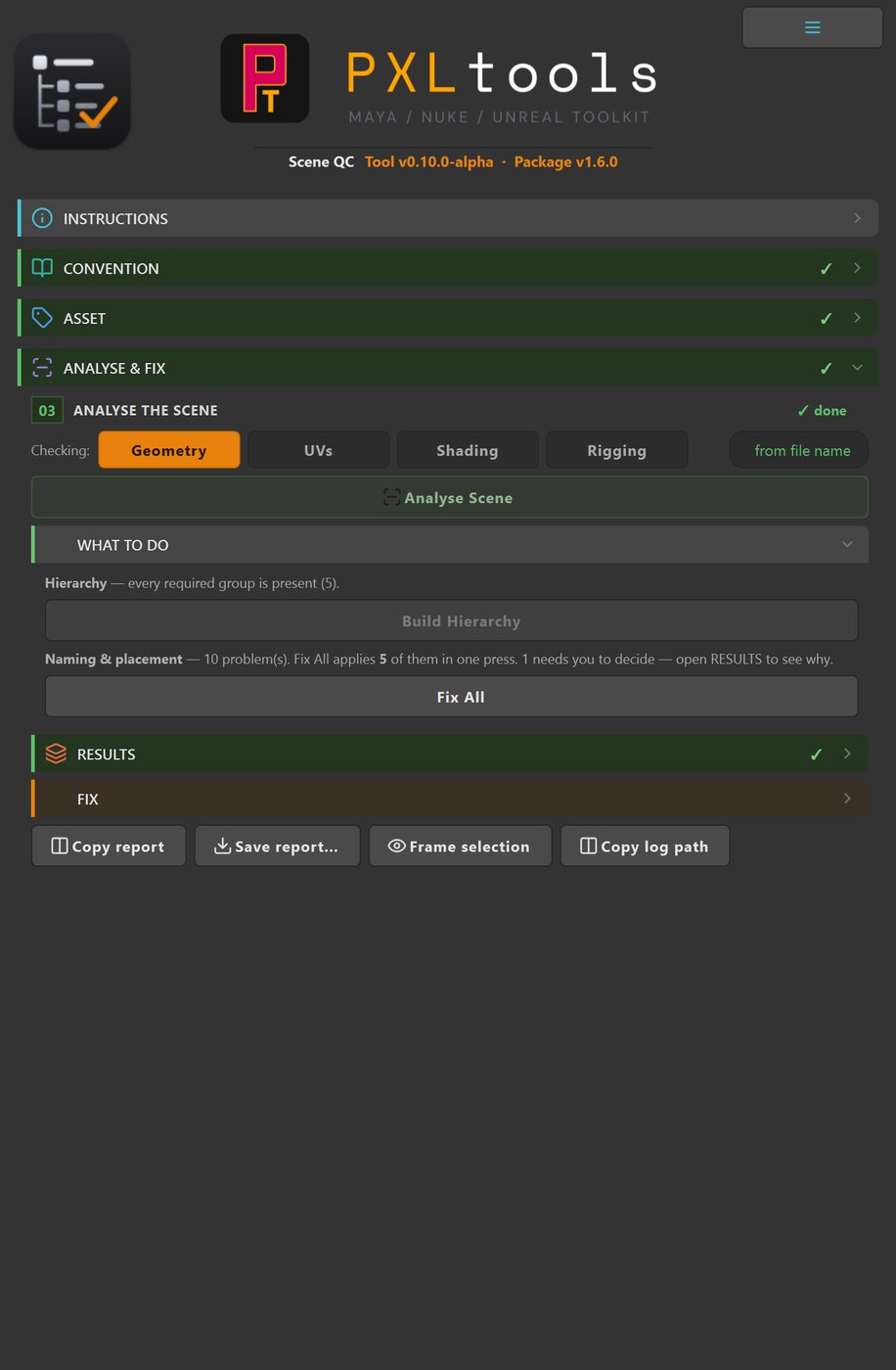
Scene QC interface in Maya Maya Prototype

PXLqc

Scene QC for Maya. Check a scene against your own naming convention and hierarchy, then fix what it finds, behind a preview and one undo.

Read guide
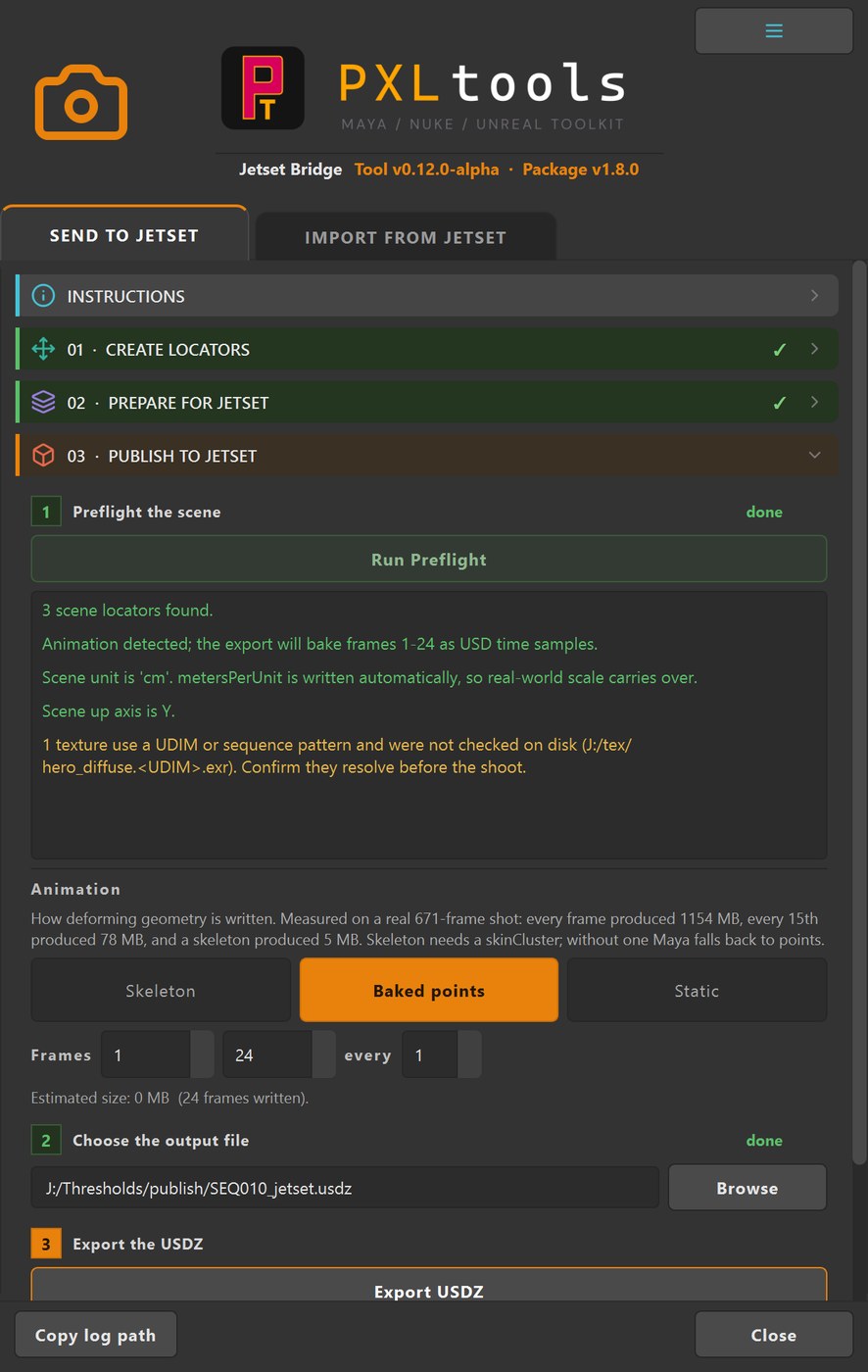
Jetset Bridge interface in Maya Maya Prototype

Jetset

Maya Bridge + Windows Sync. The Lightcraft Jetset round trip, which ships for Blender and Unreal but not Maya. An independent tool, not affiliated with Lightcraft.

Read guide
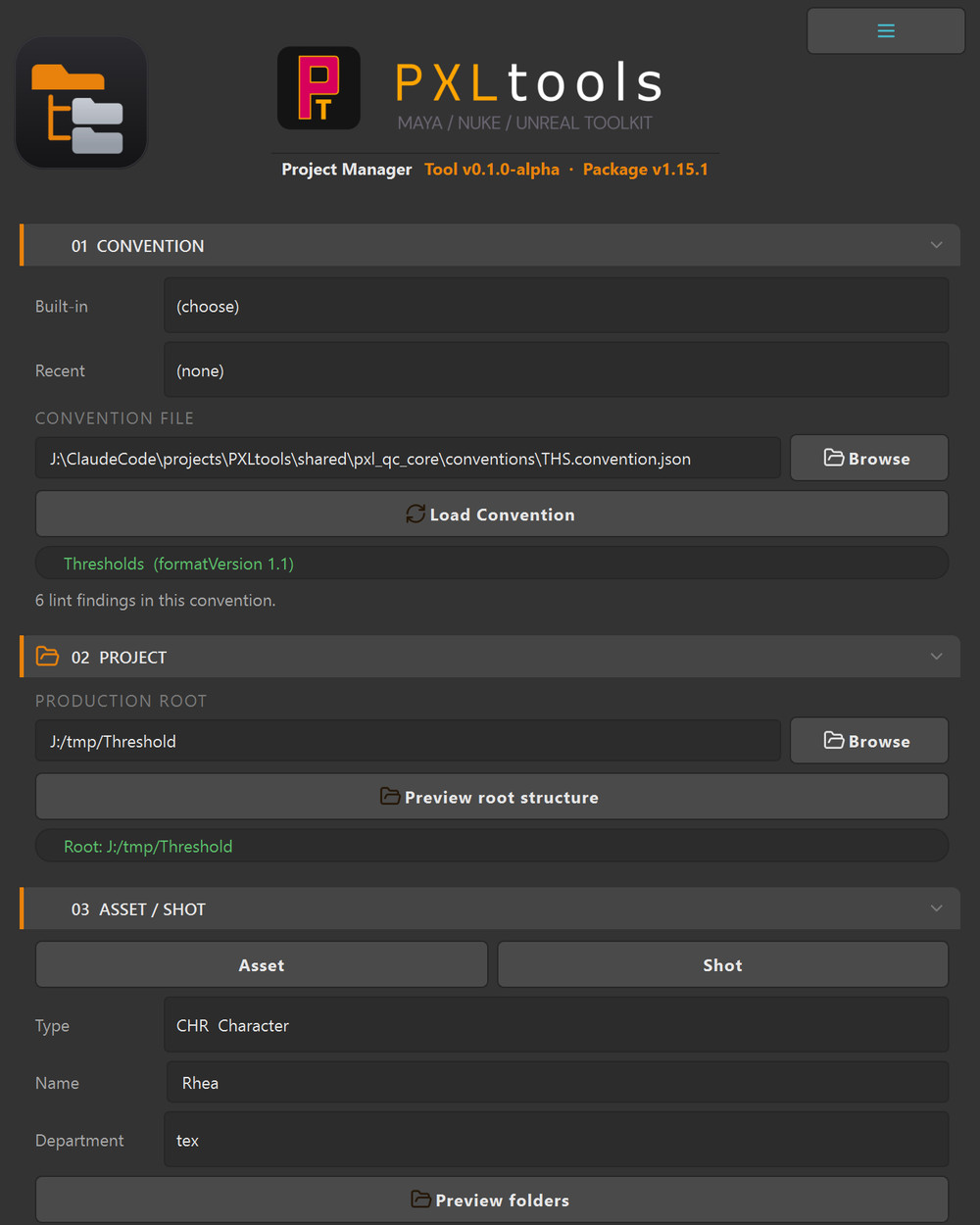
Project Manager interface in Maya, showing the Convention, Project and Asset sections with a Thresholds convention loaded Maya Prototype

PXLproj

Project Manager for Maya. Builds the production's folder tree from your own convention file, sets the Maya project at the department, and names your file for you when you save.

Read guide
04 Asset library

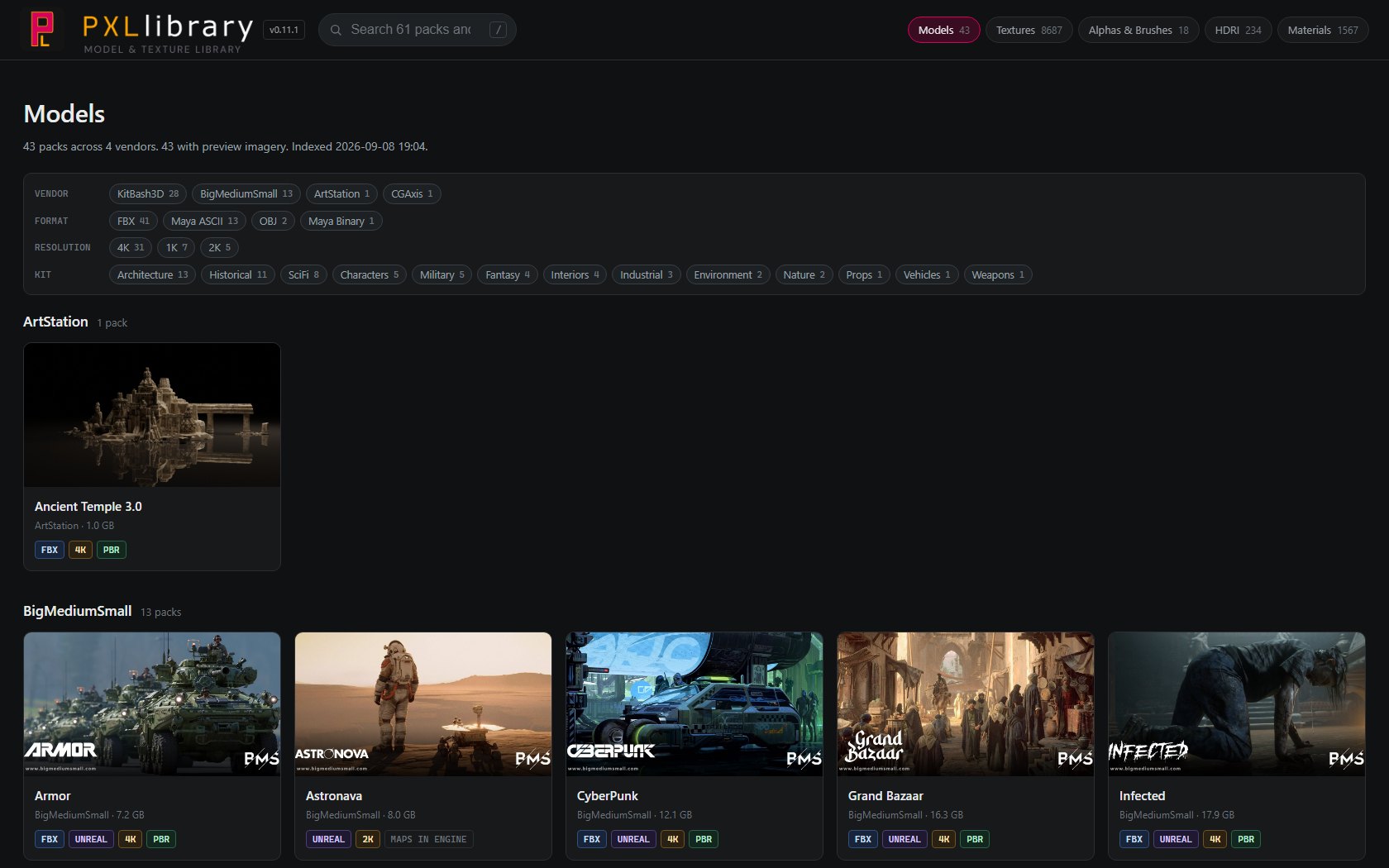
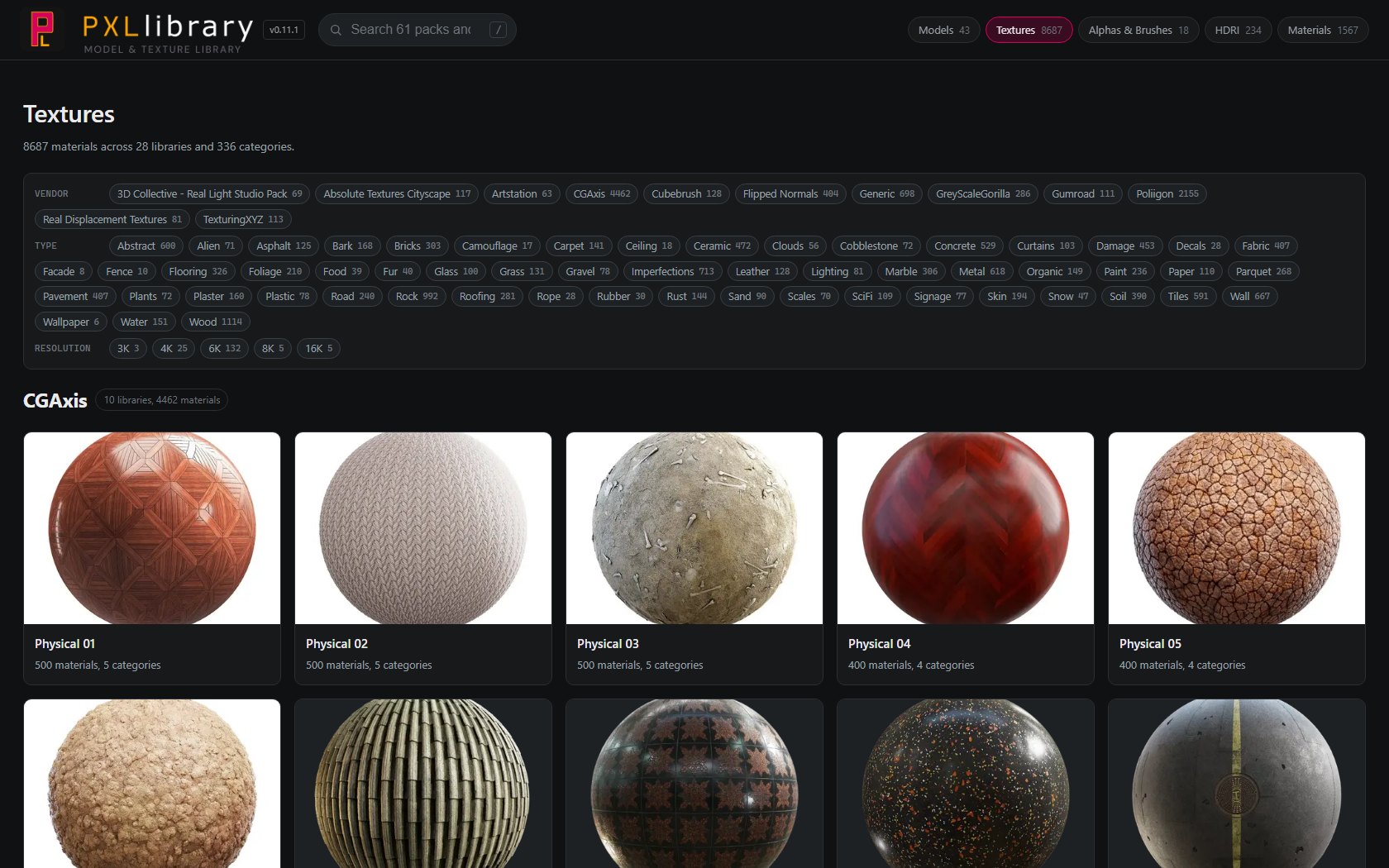
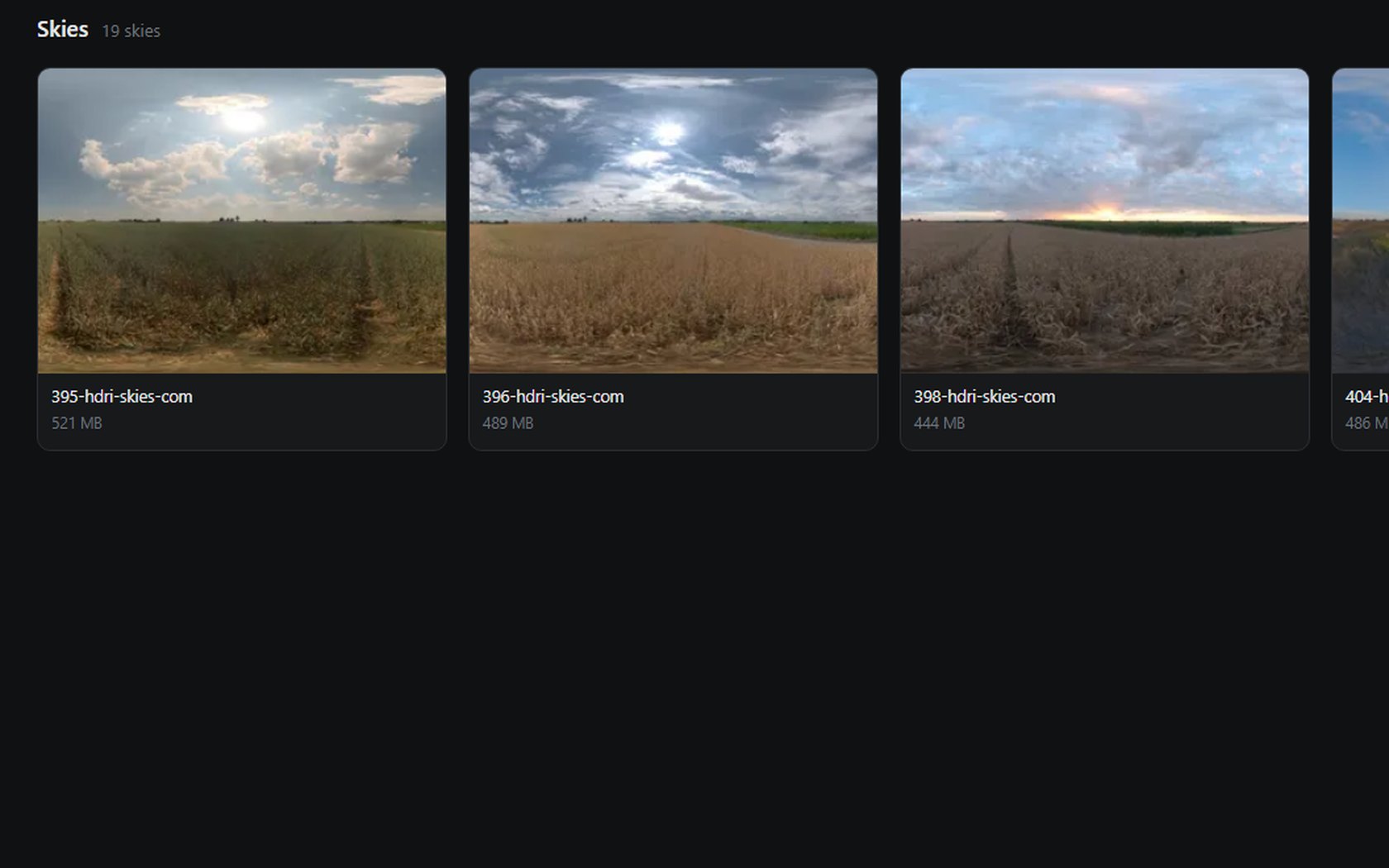
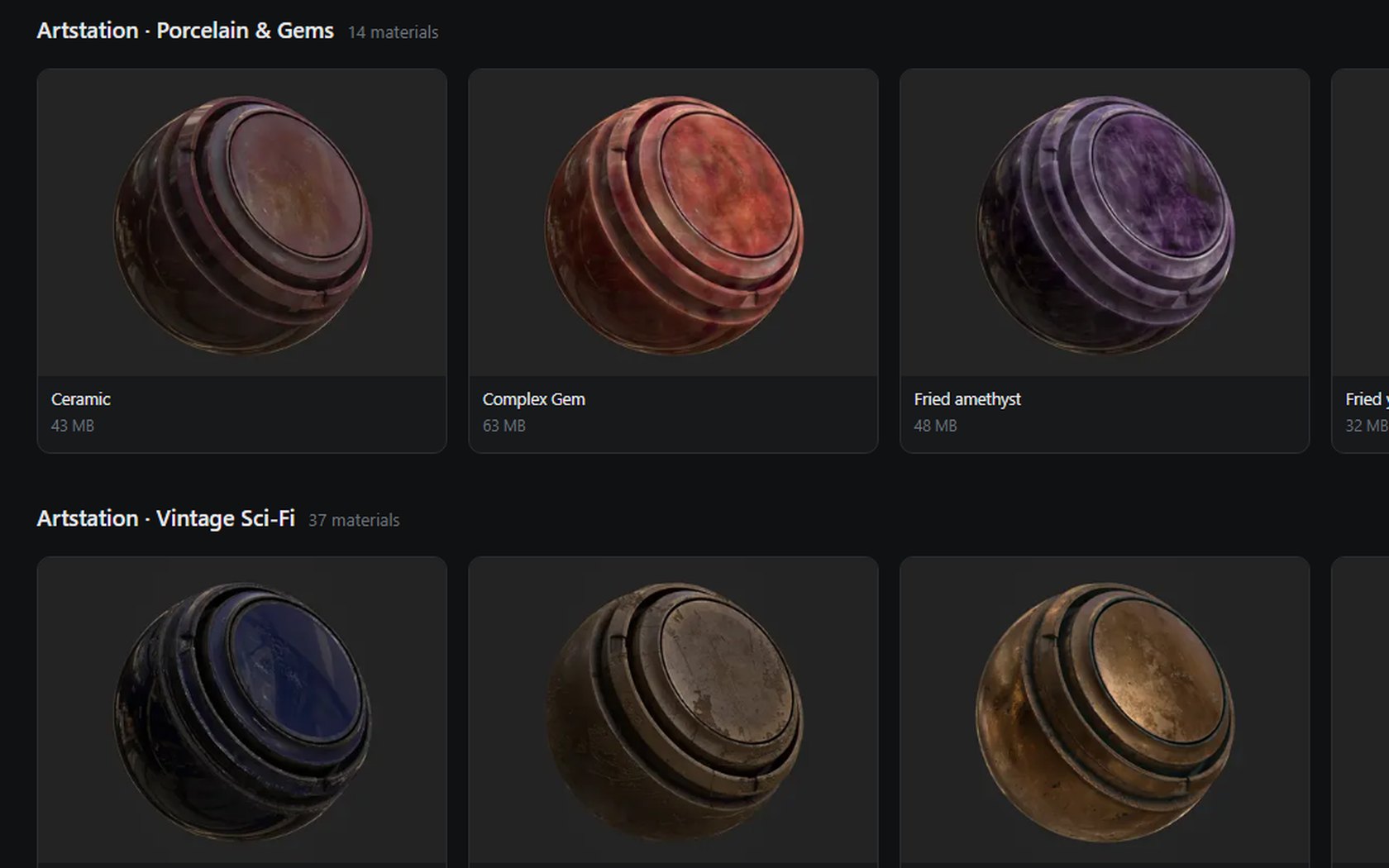
The same idea as the rest of PXLsuite, applied to assets: one source, nothing re-typed, nothing hunted for. Over the years I bought and downloaded a lot of models, textures and HDRIs, spread across drives and download folders. PXLlibrary is my private library that puts all of it under one source on my NAS, browsable in one page: 43 model packs, 8,687 textures, 1,567 Substance materials, 234 HDRI skies and 18 alpha and brush packs. It is not for sale; it is one more piece of an ecosystem that keeps growing around the same principle.

PXLlibrary models view, 43 packs with vendor, format, resolution and kit filters

One source for everything I own

Models, textures, Substance materials, HDRIs, alphas and brushes, from more than a dozen vendors and years of purchases, now live in one place on my NAS. Nothing is scattered across drives any more, and nothing depends on remembering which download folder a pack ended up in.

Found in seconds

One search box across every collection, and filters by vendor, format, resolution and kit. Models and textures share one tag vocabulary, so a filter means the same thing on a model pack as it does on a texture library.

Used where it lives

Copy a pack's folder path and point Maya or Nuke straight at it. The files never leave the NAS, so finding an asset and using it is one step instead of five. I open it off the NAS for speed, or online behind the PXLflow sign-in when I am away from the studio, where files download instead.
Coming next: AI tagging

The next step is AI tagging on import, so a search for "red box" finds every red box, even when nobody named it that way.

About

Built by Cristian Spagnuolo.

VFX & CG Supervisor for over twenty years. Former 3D Generalist. Now also a pipeline-optimization consultant: studios that have outgrown their workflow bring me in to look at it the way I'd look at my own.
PXLsuite is the practical answer to a problem most VFX teams run into eventually. The pipeline grows organically, every project bends it a little, and after enough years the workflow no longer fits the way the team actually thinks. The pre-made tools made certain assumptions a decade ago and never revisited them. The team has the experience to fix it but not the engineering bandwidth.

That gap is what changed for me with Claude Code and modern AI. The same supervisor who knows exactly where a tracker should hurt now also has the ability to build the fix in a weekend, harden it on real client work, and ship it as production software. PXLsuite is the proof. Three tools, built by the person who uses them.

If your studio's pipeline used to fit and now doesn't anymore, that's usually a workflow problem dressed up as a tools problem. I look at pipelines the way I look at my own; 20+ years of supervision behind the audit and the ability to build the fix, not just write the slide deck. The door is open.